The 2025 EMDRIA Conference took place from September 12-14 (Trainer & Consultant Day September 11), at the Anaheim Marriott in Anaheim, California.
2025 EMDRIA Conference Highlights
- Record-Breaking Attendance: Over 1,600 EMDR professionals gathered in Anaheim, California for our largest conference to date.
- Rich Learning Opportunities: With nearly 50 breakout sessions, we offered more learning options than ever.
- 30 Years of EMDRIA: We celebrated EMDRIA's 30th Birthday with cake, stickers, and a gratitude wall where attendees were invited to reflect on the past and look forward to the future.
- Inside EMDR Sessions: In this new session format, speakers guide attendees moment-by-moment through actual therapy sessions, offering insight into real-time clinical decision-making and practical, flexible applications of EMDR therapy.
- Trainer & Consultant Day: This dedicated programming saw 117 EMDRIA Approved Trainers™ and 399 EMDRIA Approved Consultants™ and EMDRIA Approved Consultants in Training™.
- Vibrant Exhibit Hall: Over 50 exhibitors showcased innovative tools, publications, and services to support EMDR clinicians.
Plus we hosted over 10 additional events like yoga, receptions, and community & topic meetings!
Program
See the Full 2025 Agenda PDF for a list of sessions with times along with additional events like Sunrise Yoga, Tapas & Wine Welcome Reception, Community & Topic Meetings, Awards Reception, and more.
Learning Objectives
- Participants will be able to describe EMDR therapy treatment for PTSD and other diagnoses to improve practitioner competence and patient outcomes.
- Participants will be able to list strategies for integrative treatment of EMDR therapy in a variety of mental health situations and contexts.
- Participants will be able to discuss current research and new applications of EMDR therapy in areas of mental health concerns.
Trainer Session | 9 a.m. – 12:30 p.m. (3 CEs)
$60 members / $85 non-members
Separate registration required
Trainer Session* is a dedicated pre-conference event that brings together EMDRIA Trainers™ for focused dialogue, collaboration, and professional development. This special gathering provides a space to share insights and explore emerging issues in EMDR education. It’s an opportunity for connection, innovation, and continued growth among those shaping the next generation of EMDR clinicians.
*For EMDRIA Trainers™ only
Learning Objectives
- Participants will be able to identify ways to train and support Assisting Faculty (Facilitators) who support trainees in EMDR basic trainings.
- Participants will explain and compare various educational aspects of their EMDR basic trainings.
- Participants will compile and review suggestions to adapt and improve their EMDR basic trainings.
9 a.m. – 10:30 a.m. | Training Assisting Faculty
Alicia Avila, LCSW, Michelle Gottlieb, PsyD, LMFT, LPCC, Paula Harry, MS, LCSW, MBA
This 90-minute panel will provide participants with practical strategies for effectively training and supporting Assisting Faculty (Facilitators) who support trainees during EMDR basic trainings. Through discussion, examples, and shared experiences, participants will explore approaches that foster clarity, consistency, and collaboration within the training team. The session will address how these strategies can be adapted to fit a variety of training contexts—whether working with just one or two facilitators or managing a larger team—ensuring that all trainers can create a supportive and well-coordinated learning environment.
10:30 a.m. - 11 a.m. | Break
11 a.m. - 12:30 p.m. | EMDR Training: Nuts and Bolts
Participant discussion facilitated by EMDRIA staff.
This interactive session is designed to foster peer learning and collaboration among EMDR trainers. In small groups, participants will explore key questions around handling trainees outside their window of tolerance, innovative teaching methods for both online and in-person settings, and recent successes in Basic Trainings. Participants will also have the opportunity to share training dilemmas and receive feedback from colleagues. The session will conclude with a group report-out and time for participants to identify key takeaways and possible adaptations they plan to implement in their own trainings.
Consultant Session | 2 p.m. – 5:30 p.m. (3 CEs)
$60 members / $85 non-members
Separate registration required
Consultant Session* is a pre-conference event for EMDRIA Approved Consultants™ and EMDRIA Approved Consultants in Training™. This focused gathering offers opportunities to deepen consultation skills, explore best practices, and engage in meaningful dialogue about supporting EMDR clinicians.
*For EMDRIA Approved Consultants™ and EMDRIA Approved Consultants in Training™ only.
Learning Objectives:
- Participants will be able to identify two strategies for teaching treatment planning and case conceptualization to their consultees.
- Participants will be able to describe two inclusive strategies for adapting EMDR consultation to support consultees with sensory, communication, or processing differences.
- Participants will be able to evaluate their own consultation practices for inclusivity and identify one area for improvement to support their diverse consultees.
2 p.m. – 3:30 p.m. | Best Practices in EMDR Consultation
Mary Eason, Ph.D., C Paula Krentzel, PhD, Jasmine Adams, LCSW, PMH-C
This dynamic session features a panel of EMDR Consultants sharing practical approaches to enhance your EMDR consultation work. It will include strategies for teaching treatment planning and case conceptualization in a clear and accessible way for consultees. It will explore how to provide consultation through an inclusive lens, with a focus on supporting consultees with different backgrounds and processing differences. Additionally, it will discuss principles of inclusive EMDR consultation to create affirming, responsive spaces for diverse consultees. Participants will leave with concrete tools and perspectives to enrich their consultation practice.
3:30 p.m. - 4 p.m. | Break
4 p.m. - 5:30 p.m. | EMDR Consultation: Nuts and Bolts
Participant discussion facilitated by EMDRIA staff.
This interactive session invites participants to engage in meaningful dialogue about the realities and nuances of consultation. After a brief overview, participants will engage in small-group discussions. Guided by focused questions, attendees will explore common challenges, effective methods for teaching case conceptualization, and strategies for balancing protocol fidelity with flexibility across diverse settings and populations. We will also share inclusive practices that support IDEA principles—embracing neurodivergence and cultural diversity. It will conclude with a report-out, allowing participants to share key insights and takeaways.
Friday 9 a.m. – 11 a.m. | Keynote Session (1.5 CEs)
The Future of EMDR
Suzy Matthijssen, Ph.D.
Suzy Matthijssen, Ph.D., explores the dynamic evolution of EMDR within the context of its origins, current challenges, and notable achievements. Reflecting on the historical milestones that have shaped EMDR, she examines the therapeutic challenges and breakthroughs that have underscored the modality's resilience and adaptability in mental health practices. Dr. Matthijssen will discuss the critical advancements that EMDR has achieved in the treatment of trauma and other psychological conditions, highlighting how these successes contribute to the foundation for future development. Looking forward, the presentation will address how EMDR is positioning itself in a rapidly changing world, emphasizing the necessity for innovative approaches in research, training, and practice to meet evolving clinical and societal needs.
Friday 12:30 p.m. – 4 p.m.| Inside EMDR & Sessions 121-128 (3 CEs)
Inside an EMDR Session
Clinical Decision-Making in EMDR Practice
Deborah L. Korn, Psy.D.
Through the use of video-recorded EMDR sessions, this dynamic presentation invites participants into the therapy room, offering a real-time look at moment-to-moment clinical decision-making. The presenter will guide attendees through key points with a complex trauma client, highlighting the importance of the therapeutic relationship and noting how decisions are made with regard to pacing, prioritizing, and the active use of interweaves. Participants will gain insight into how EMDR principles are applied flexibly and responsively, enhancing both clinical confidence and precision. This session is ideal for clinicians looking to deepen their practical skills and refine their ability to navigate the complexities of EMDR therapy with intention and clarity.
Session 121
Beyond the Basics: Advanced EMDR Interventions for C-PTSD
Rebecca Kase, LCSW
EMDR therapy offers powerful tools for treating complex PTSD, yet clinicians often face challenges in conceptualization, stabilization, and reprocessing. This advanced workshop goes beyond the basics, equipping EMDR therapists with innovative strategies for working with CPTSD. Participants will explore the effectiveness of EMDR for CPTSD, the long-standing phase-oriented approach to CPTSD work, and how to adopt a more flexible, nervous-system-informed approach. The session will also cover symptom-focused treatment planning, targeted interventions for constricted processing, and attachment-based EMDR techniques for developmental trauma. Through lecture, case studies, and demonstrations, attendees will gain practical skills to enhance client stabilization, readiness, and reprocessing success.
Session 122
Enactment-Focused EMDR: Targeting the Space Between Attachment Wounds
Bridger Falkenstien, Jen Savage, LPC & Caleb Boston, LPC
While EMDR effectively processes past trauma, it often neglects the ongoing relational enactments that sustain trauma responses in the present. Enactments are unconscious re-creations of early attachment wounds, shaping relational patterns and therapeutic dynamics. Without addressing enactments, trauma treatment risks reinforcing a past-centric model, leaving clients vulnerable to retraumatization. This presentation introduces enactment-focused EMDR (EF-EMDR), a relational expansion of EMDR that targets active, present-day relational patterns as processing material. Participants will learn to identify, track, and intervene in enactments within therapy, using EMDR to disrupt cycles of relational repetition. Through clinical examples and interactive discussion, this session will equip therapists with practical tools to engage enactments as central processing targets, deepen case conceptualization, and strengthen therapeutic attunement. EF-EMDR offers a transformative shift in trauma treatment, bridging past memory processing with real-time relational healing and ensuring sustainable, embodied change for clients.
Session 123
EMDR and Somatic Interventions: Integrative Approach for Eating Disorders
Tara Cothren, LPC & Patricia Kessler, LPC
The prevalence of eating disorders has been on the rise, more than doubling between 2000 and 2018, according to recent data. Research has also indicated that more than one fifth of children worldwide have shown traits of disordered eating. Many clients struggling with eating disorders recall early life events contributing to a maladaptive view of body image. During this presentation, the presenters and participants will collaboratively explore how Phase 1 of EMDR can incorporate body image assessment and how body dissatisfaction may result from adverse early life experiences or events. Additionally, the presenters will provide participants with experiential practice utilizing somatic interventions to be implemented in Phases 2, 6, and 7 of the eight-phase protocol. Case examples will be provided, and participants will practice case conceptualization of the integrated model of EMDR with somatic interventions to treat eating disorders and negative body image.
Session 124
EMDR with Dissociative Teens: Collaborative Journeys of Healing and Repair
Annie Monaco, LCSW & Jenny Dwyer, Ph.D.
This workshop presents two rich clinical cases of successful EMDR therapy with dissociative teens: one suffering severe dissociative seizures (or FND) and the other displaying aggressive and sexual behavior problems. The presentation brings together therapists from two different sides of the world with clients who have vastly different symptoms. Through extensive use of videos, we will demonstrate the shared conceptualization and creative strategies needed to work through such complex presentations of teens with dissociative symptoms. Therapeutic challenges included overcoming avoidance, working with their narrow windows of tolerance, the need for attachment repair, and the impact on their developmental trajectory. Both cases demonstrate the vital role of parents as co-therapists in enhancing the success of treatment.
Session 125
Dual Focus Treatment: OCD and PTSD
C Paula Krentzel, Ph.D. & Jennifer Tattersall, LCSW
Obsessive-compulsive disorder (OCD) commonly develops after a traumatic experience, and thus it is essential that clinicians understand the comorbidity between OCD and post-traumatic stress disorder (PTSD) symptoms as well as the difference in presentations. Both diagnoses include avoidance behaviors and rituals related to an urge to reduce anxiety and to increase a sense of safety. Although the symptoms overlap, they are different in functionality. Clinicians sometimes erroneously believe that treating the PTSD will reduce the OCD symptoms. Conversely, some studies have suggested that decreasing PTSD symptoms during treatment are associated with increasing OCD symptoms. The reverse also occurs: a decrease of OCD symptomatology can be associated with a decrease in PTSD. Treating one disorder without understanding the interactions between the two disorders can lead to a rupture in the clinical relationship and potential reinforcement of the OCD.
Session 126
Sleep: The Unrecognized Key to Stabilization
Jaan Reitav, Ph.D. & Celeste Thirlwell, MD, FRCPC
This session explores the crucial role of normal sleep-wake rhythms in sustaining the adaptive information processing (AIP) model for mental and physical health. Trauma disrupts autonomic regulation and can lead to persistent sleep disturbances such as nightmares, insomnia disorder (ID), and obstructive sleep apnea (OSA), which can interfere with AIP processing in EMDR therapy. Participants in this symposium will engage in practicum experiences to develop communication strategies for educating clients about sleep health, screen for sleep disorders, and integrate sleep assessments into EMDR treatment planning. Neuroscientific foundations for addressing trauma-related sleep dysregulation in Phase 2 stabilization will be reviewed, emphasizing the importance of restoring autonomic balance. Practical applications include hands-on training in breathing and relaxation techniques to help repair sleep-wake rhythms independent of AIP reprocessing. Through clinical case examples and experiential learning, EMDR therapists will gain tools to enhance stabilization and improve treatment outcomes by systematically addressing sleep disturbances before progressing to Phases 3 through 8.
Session 127
Creative Collaborations: Engaging Parents in the EMDR Process with Kids
Christine Mark-Griffin, LCSW & Debra Wesselmann, LIMHP
Parents play a crucial role in a child’s healing journey, yet many therapists struggle with effectively engaging caregivers in the EMDR process. This interactive workshop explores creative and practical ways to integrate parents into EMDR therapy, strengthening the child’s support system and enhancing treatment outcomes. Through hands-on activities, therapists will learn how to use art, storytelling, and play-based techniques to help parents understand and support their child’s trauma healing. Participants will also explore strategies for co-regulation, attachment-building, interactional interweaves, and reinforcing EMDR skills at home. By the end of the workshop, therapists will leave with a toolkit of engaging interventions that empower parents to become active partners in their child’s healing process. This workshop is ideal for EMDR clinicians working with children and families who want to make parent involvement more dynamic, accessible, and effective.
Session 128
An IFS-Informed Approach to Redefining Resistance in EMDR Therapy
Crystal Hines, LPC
Integrating internal family systems (IFS) therapy into EMDR can enhance trauma treatment by addressing the protective parts that emerge during processing. Clients often experience resistance, emotional blocks, or overwhelm in EMDR, which can be understood as the activation of protective parts attempting to shield them from deeper pain. By incorporating IFS, therapists can identify, validate, and work collaboratively with these parts, ensuring they feel safe before proceeding with reprocessing. This approach can foster self-leadership, reduce therapeutic roadblocks, and deepen healing by allowing access to core wounds in a compassionate and structured way. Through practical techniques such as mapping parts, unblending, and collaborating problem solving, therapists can create a smoother, more effective EMDR process. This presentation explores strategies for integrating IFS into EMDR, offering clinicians tools to navigate client protectors and enhance trauma resolution with greater ease and attunement.
Friday 4:30 p.m. – 6 p.m. | Sessions 221-228 (1.5 CEs)
Session 221
Help! Which do I do? Comprehensive Treatment vs. Symptom Reduction
Michelle Gottlieb, Psy.D. & Deborah Silveria, Ph.D.
Clients begin treatment to feel better. Clinicians want to treat everything that has ever occurred in a client's life. Hence the dilemma that many clinicians find themselves in: Do we do symptom reduction or comprehensive treatment? There are many factors that help clinicians make this decision, such as the length of time a client will be in treatment, client fragility, and clients' goals. This workshop will help the EMDR clinician more clearly understand these two treatment plan options and will help them work with their clients to make the best decision for each individual client. The presenters will include recommendations for working with different ages and cultures.
Session 222
Overcoming Problems, Pitfalls, and Common Mistakes in Using EMDR
William Zangwill, Ph.D. & Elizabeth Armstrong, LCSW
No therapeutic approach—no matter how powerful—can succeed without correct implementation. Unfortunately, EMDR is often misunderstood or misapplied, which can limit its effectiveness. This workshop will help you enhance your EMDR practice at every treatment phase. We will address common problems and mistakes we often make and provide practical step-by-step solutions. Specific topics include common pitfalls in EMDR preparation, mistakes made during EMDR processing, effective use of cognitive interweaves, and proper closure and integration. By refining our skills, we can deliver more effective treatment and help clients achieve deeper healing. In this workshop, we will explore how to do better.
Session 223
Research Symposium
Session 223A: Group EMDR & Compassion Focussed Treatment for PTSD/CPTSD & Moral Injury
Derek Farrell, Ph.D., MBE, Sonny Provetto, LICSW, & Prof. Paul Miller, M.D., BCh, BAO, DMH, MRCPsych, FRSA
This study explores the integration of group EMDR treatment (acute stress adaptive protocol) and compassion-focused therapy as a treatment intervention for PTSD/CPTSD and moral injury in front-line workers/law enforcement officers. These workers occupationally operate in toxic trauma environments where trauma exposure is often compounded by work environments and hierarchical structures generating moral injury. Although there is some degree of interchangeability between PTSD/CPTSD and moral injury, nonetheless, there are important distinctions that have significant implications for psychoeducation, understanding, clinical interventions, and research and development.
Session 223B: Examining In-person and Telehealth Delivery of EMDR Therapy to Veterans
Christina Fairbanks, Ph.D., Kayla Keener, MSW, LISW-S, & Stephanie Glitsos, LCSW
EMDR therapy has been extensively studied and is a first-line EBP for PTSD according to the 2023 VA/DoD Clinical Practice Guidelines for PTSD. Yet, few studies have evaluated EMDR in veterans, and no study has compared in person (IP) to telehealth (TH) delivery among veterans. These gaps in the literature are concerning given that the VA greatly expanded TH delivery of EMDR during the COVID-19 pandemic. Thus, this multi-site, retrospective chart review aimed to address these gaps by (1) evaluating EMDR treatment outcomes among veterans and (2) examining whether IP and TH deliveries of EMDR yield similar outcomes in VA settings. Findings suggest that EMDR is an effective PTSD treatment for veterans. IP and TH modalities largely yielded similar outcomes, highlighting both modalities as effective. These results underscore the importance of further evaluating EMDR delivered via IP and TH to veterans.
Session 223C: EMDR Visual Stimulation Variants in Positive Installations: Vagal Response
Maria Junqueira Zampieri, Ph.D., Moacir Godoy, Ph.D.
Importance of brain stimulation in outcomes of EMDR treatment is well established, although it’s not yet fully understood. When investigating the effects of an EMDR protocol focused on strengthening the autonomic nervous system (ANS) in patients with complex PTSD symptoms, a specific aspect of visual stimulation caught our attention. The author of the protocol takes into account that the functionality of the regulatory system in the right orbitofrontal cortex depends on the stimuli in the development (experience-dependent maturation). The findings of this study, although preliminary and limited to a single population, suggest the possibility of using a variant of visual stimulation as a positive setup in Phase 2 or other phases of the standard protocol and that a brief EMDR intervention may be a viable and promising tool as an early intervention in emergency stress situations, as indicators for future research.
Session 224
Predictive Processing: Updated Metaphors for the Neurobiology of Trauma
Thomas Zimmerman, Ms.Ed., LPCC
For much of the last 50 years, the triune brain model has heavily shaped how trauma therapists understand and explain the neurobiology of trauma. It has provided metaphors that have been helpful, non-pathologizing, and universally applicable. More recent advances in our understanding of brain evolution and function, however, have comprehensively undermined many of the core assumptions of triune brain, rendering it no longer a tenable explanation of trauma and its aftermath. Research in many fields has organized around the central role of the nervous system in constructing current reality using predictive processing. The implications of predictive processing are highly compatible with the adaptive information processing (AIP) model. This presentation explores the practical and metaphorical possibilities of predictive processing in ways that are likely to be accessible to most trauma therapists. Predictive processing provides the opportunity to develop new metaphors that are helpful, more accurate, less pathologizing, and more culturally and contextually relevant.
Session 225
Breaking the ADHD-Depression Cycle at Work: Effective Interventions
Joel Kouame, LCSW
Attention-deficit/hyperactivity disorder (ADHD) and depression frequently co-occur, forming a reinforcing cycle that impacts self-esteem, motivation, and workplace performance. ADHD symptoms—including inattention, disorganization, and impulsivity—often lead to repeated setbacks, fostering feelings of inadequacy that contribute to depressive symptoms such as hopelessness and lethargy. This cycle can create significant challenges in professional settings, where task initiation and follow-through are essential for success. This presentation explores how EMDR therapy offers a promising approach to breaking this cycle. EMDR helps individuals process negative self-beliefs, reframe past experiences, and develop a more adaptive self-concept. By addressing deeply ingrained cognitive distortions and enhancing self-efficacy, EMDR fosters resilience, improves task engagement, and ultimately enhances workplace performance. Attendees will gain insights into the intersection of ADHD and depression, workplace implications, and the therapeutic potential of EMDR as an intervention for improving professional and personal well-being.
Session 226
EMDR & Emotional Neglect: Healing the Invisible Wounds of the Good Childhood
Cassidy DuHadway, LCSW
Many clients enter therapy believing they had a “good childhood,” yet they carry a deep, pervasive sense of not enoughness—a feeling of emptiness, unworthiness, and emotional disconnection they can’t quite explain. Emotional neglect—the absence of attunement, validation, and support—is one of the most overlooked yet impactful forms of trauma. Unlike overt abuse, its wounds are silent, shaping implicit memories and core beliefs that tell clients their needs, emotions, and very existence are too much—or not enough. This presentation will explore how EMDR can illuminate and heal these invisible wounds. Participants will learn to identify emotional neglect in case conceptualization, target the implicit messages that reinforce not enoughness, and use EMDR interventions to reprocess core beliefs like “I should be fine” or “My needs don’t matter.” Practical strategies for resourcing, attachment repair, and deepening emotional awareness will equip clinicians to help clients reclaim their sense of self and inherent worth.
Session 227
The Silent War: EMDR & Systemic Racism in the Military
Arielle Jordan, Ph.D., LCPC
For many BIPOC service members, the trauma of military service is compounded by systemic racism, moral injury, and identity loss. Standard EMDR protocols often fail to address the intersection of racial trauma and military betrayal, leaving veterans struggling with unresolved distress.
Session 228
The Nest Metaphor: A Somatically Informed Case Conceptualization and Preparation Tool
Alison Leslie, LCSW, SEP
Discover the “nest” metaphor: an innovative framework that blends somatic awareness with bio-psycho-social-cultural understanding to enhance your EMDR practice. Drawing from nature’s imagery, this approach explores how clients’ early environments—their emotional and physical “nests”—shaped their development and current experiences. Like nests in nature, these environments exist on a spectrum: from those providing safety, comfort, and emotional security to those characterized by a lack of those elements. This framework helps clinicians and clients map how past environments influence present patterns, understand the impact of systemic oppression, and assess mind-body connections in relation to feeling safe. This presentation introduces how to weave the nest metaphor into Phases 1 and 2, emphasizing new tools you can use right away to support a client’s embodiment and readiness for later reprocessing. Learn how to deepen your case conceptualization, history-taking, and preparation through this experiential, somatically informed approach.
Saturday 9 a.m. – 11 a.m. | Keynote Session (1.5 CEs)
The evidence supporting EMDR as a first-line treatment for PTSD is widely endorsed across multiple international guidelines. However, a notable exception is the recommendations published by the APA in 2025. In this talk, Associate Professor Christopher Lee will explore the reasons behind this discrepancy. Drawing on his own research and the existing literature, he will identify the disorders for which we can confidently assert effective treatment outcomes, as well as areas needing improvement. Additionally, he will analyse which clients may not be appropriate for EMDR, acknowledging legitimate concerns and clarifying misconceptions. These include beliefs such as: EMDR poses risks or suicidal patients, it may compromise legal testimony, it is ineffective for refugees when interpreters are involved, and it does not provide long-term benefits for individuals with complex trauma.
Saturday 12:30 p.m. – 4 p.m. | Inside EMDR & Sessions 331-338 (3 CEs)
Inside an EMDR Session
The Clinical Application of EMDR therapy in Clients with Complex PTSD
Ad de Jongh, Ph.D.
This session is designed to highlight the practical, in-the-room application of EMDR therapy. In this session, the presenter will share recorded clinical sessions with patients with Complex PTSD and borderline personality disorder, and guide attendees through key moments, offering a real-time look at moment-to-moment clinical decision-making. The goal is to help clinicians better understand how EMDR principles are applied flexibly inside the therapy room.
Session 331
Attachment-Focused EMDR Phase 2: Form Positive Beliefs & Inner Attachments
Ann Potter, Ph.D. & Debra Wesselmann, LIMHP
Adults who experienced childhood attachment trauma and ruptures in early attachment relationships carry into adulthood negative cognitions and affect about themselves and relationships with others from their past experiences, creating limiting beliefs about their own innate goodness and their ability to form healthy relationships. This presentation outlines the attachment-focused EMDR preparation phase. Participants will acquire therapeutic skills to guide clients through steps aimed at strengthening clients’ adaptive information through accessing and deepening their positive cognitions of “I’m OK,” “I’m safe now,” “I have everything I need,” and “I am not alone anymore” using the adaptive information processing (AIP) model during EMDR preparation Phase 2. Participants will also learn methods to provide clients with internal corrective attachment experiences through the process of transforming inner personality parts and reconstructing clients’ internal personality system.
Session 332
What it Means to Queer EMDR: LGBTQIA+ Affirming Therapy in all 8 Phases
Roshni Chabra, LMFT, Marlena Joy, LCSW, Rev. Karla Fleshman, LCSW, MDiv, Earl Martin, LCSW, Erin E. Kelly, LCSW, & Tiff Lanza, Ph.D., LCSW
This presentation will explore how to integrate LGBTQIA+ affirming therapy into the EMDR therapy's eight-phase standard protocol, emphasizing the importance of culturally competent care for LGBTQIA+ clients. Attendees will learn how to create a more inclusive therapeutic space, apply EMDR techniques with an awareness of sexual and gender identity, and address unique trauma experiences faced by LGBTQIA+ individuals. This session will provide practical strategies for clinicians to incorporate into their practice and consulting, ensuring that LGBTQIA+ clients feel seen, validated, and supported throughout the EMDR process. Drawing on peer-reviewed research and clinical examples, this presentation will highlight the intersection of EMDR with affirming therapy practices, fostering greater awareness of how identity influences healing. By the end, participants will be better equipped to offer a more inclusive, effective approach to EMDR for diverse populations.
Session 333
Play Therapy Integrations to Heal Attachment Wounds in EMDR with Kids
Jackie Flynn, EdS, LMHC-S
Attachment wounds shape a child’s emotions, behaviors, and relationships, leaving lifelong imprints that can impact future generations. This transformative three-hour workshop equips EMDR-trained therapists with the tools to integrate play therapy into all eight phases of EMDR while maintaining fidelity to the protocol. Discover how developmentally appropriate, nervous-system-informed play therapy techniques can unlock healing for children in ways that words alone cannot. Through experiential activities, case vignettes, and practical applications, you’ll learn to foster safety, build meaningful connections, and support children as they process deep emotional wounds. This training blends the structure of EMDR with the creativity of play therapy, giving you actionable tools to address developmental trauma and attachment wounds effectively. Join us to enhance your practice, inspire hope, and help your clients create a foundation for healing that will ripple through their lives and those of future generations.
Session 334
Go With What? Essential EMDR Treatment Planning
Mary Eason, Ph.D. & Holly Forman-Patel, LMFT
Effective treatment planning is the cornerstone of successful EMDR therapy, especially for complex cases. This training provides clinicians with clear, practical strategies for developing comprehensive treatment plans that align with the EMDR therapy framework. Drawing on years of experience, the facilitators will guide participants through essential principles, common challenges, and creative solutions to navigate even the most intricate cases. Attendees will gain actionable insights to enhance their confidence and effectiveness, ensuring that every client’s journey toward healing is both structured and adaptive.
Session 335
EMDR for Complex Trauma: Incorporating Polyvagal & Parts Work in Treatment
Farnsworth Lobenstine, LICSW & Paula Merucci, LCSW
As clinicians face increasing cases of complex trauma, integrating EMDR with polyvagal theory and parts work offers tools for effective treatment. This training explores modifications to EMDR’s standard protocol to better support clients with complex trauma and dissociation. In this presentation, we will use Fraser’s dissociative table technique (“meeting place”), a tool designed to enhance EMDR effectiveness when working with complex trauma, and we will also focus on integrating parts work and polyvagal theory throughout all eight phases of EMDR to provide stabilization, trauma processing, and overall client healing. In addition, attendees will gain an understanding of polyvagal theory by identifying the three primary autonomic states and will practice interventions to regulate nervous system responses. This training will also provide clinicians with practical, research-based interventions to enhance EMDR outcomes for clients with complex trauma. Participants will leave with applicable skills designed to help clients regulate, engage in deeper trauma work, and heal more effectively.
Session 336
Integrating EMDR and Couples Therapy
Barry Litt, LMFT
Clients engage in couples therapy to resolve issues in their relationship and improve their connection. However, partners’ developmental traumas often undermine their goals—or worse, partners may use one another to re-enact their traumas. Thus, it can be said that many clients enter couples therapy to find a relational solution to an intrapsychic problem. This workshop explores the integration of EMDR into couples therapy, addressing the challenges therapists face when combining these modalities. Participants will learn to integrate individual and systemic dimensions, addressing horizontal (current patterns) and vertical (historical influences) axes of inquiry. Patterns of pathological dependency—the foundation of couples’ conflicts—will be described. Participants will learn a five-step method for transitioning from horizontal to vertical assessment and contracting for EMDR therapy. Participants will learn critical treatment considerations for implementing this integrative approach, including session management, avoiding common pitfalls, and conjoint EMDR (phase four with the partner present).
Session 337
Internal Family Systems (IFS) Interventions During Phase 1 and Phase 2
Daphne Fatter, Ph.D.
While EMDR is considered an integrative psychotherapy, many clinicians often struggle with how to identify which clients would most benefit from a multimodal approach within EMDR. In this presentation, participants will learn clinical indicators that signal the need to consider integrating internal family systems (IFS) interventions within Phase 1 and Phase 2 of EMDR therapy. We will also discuss the complementary principles of IFS and EMDR, including the role of memory reconsolidation. Participants will learn how to apply an IFS case conceptualization and how to make three different parts maps to support a sequenced treatment approach in Phase 1. The self-tapping technique, STARR, and IFS befriending techniques will be taught to support internal communication between a client’s parts and self and to support consent during Phase 2. Participants will learn resource development options integrating IFS with a community cultural wealth lens and will also learn how to use IFS techniques to identify targets, including intergenerational trauma targets. This presentation will also include opportunities to practice IFS interventions.
Session 338
Tree & Seed to Weed: Techniques to Explain Trauma & Display Therapy Outcome
Kriss Jarecki, LCSWR
The Tree of Me uses leaves to represent a client’s good/not good experiences. It’s a fun and engaging way to acknowledge their journey and normalize experiences as well as their reactions to them. Progress is demonstrated as a client works through memories and then takes them off the tree while simultaneously adding leaves representing positive experiences resulting from their hard work. Then, we move to the Seed to Weed technique. This strategy offers an illustrated garden metaphor to guide a client to look at his or her life experiences both not-so-good (weeds) and positive (flowers/vegetables). The Seed to Weed technique provides a graphic means of presenting trauma (AIP), mapping target order (drawing the garden), introducing EMDR (the shovel), and tracking treatment progress (weed pulling). Both provide some distancing with the distraction of creating, and there is a controlled dose as the therapist can stay on a good or not-so-good event as tolerated by the client.
Saturday 4:30 p.m. – 6 p.m. | Sessions 441-448 (1.5 CEs)
Session 441
Session 441 has been canceled as of September 11, 2025
Session 442
Healing with Humor: Integrating Laughter Therapy into EMDR's 8 Phases
Irene Rodriguez, LMHC, REAT
This 90-minute workshop explores how therapeutic humor and laughter therapy can enhance the adaptive information processing (AIP) model within the eight-phase EMDR therapy protocol. Participants will learn how to integrate humor and laughter as effective interventions throughout all EMDR phases, focusing on building emotional resilience, promoting therapeutic alliance, and strengthening the effective window of tolerance. This presentation will outline practical techniques to incorporate humor safely and ethically during EMDR sessions, including its use as a resource during preparation, as possible interweaves during desensitization, and as an option for grounding skills during closure. Attendees will engage in experiential laughter exercises, gaining first-hand experience in how laughter can create a sense of well-being, support emotional tolerance, and improve outcomes during the reprocessing sessions. The workshop will provide evidence-based strategies and practical tools to help clinicians apply therapeutic humor effectively in their practice while adhering to EMDRIA standards and ethical considerations.
Session 443
Integrating EMDR and Schema Therapy
Liam Spicer, Psychologist
EMDR and schema therapy are effective transdiagnostic approaches that are used across diverse populations with the goal of creating deep and long-lasting therapeutic change. In this presentation, Liam Spicer will provide an overview of the schema therapy model and the adaptive information processing (AIP) model, exploring how these frameworks work together to understand client presentations. Recent research and advancements in both approaches will be discussed. The presentation will cover practical techniques, including using positive schemas to build adaptive memory networks, strengthening the healthy adult mode for trauma work, and formulating processing targets using schema therapy and AIP models. Participants will learn how to apply schema techniques during EMDR preparation and as interweaves to address blocks and barriers. The session includes creative integrations across all EMDR phases, emphasizes the importance of limited reparenting and the therapeutic relationship, and features demonstrations and self-reflective exercises.
Session 444
Relational EMDR Therapy℠: The Power of Connection
Deany Laliotis, LICSW
Many of our clients seek our help to address their low self-esteem, relationship difficulties, and emotional dysregulation due to the formative attachment wounds they endured alone. While they learned to survive their circumstances, they also missed out on a lot of what they needed to navigate the world of relationships in adult life. This workshop is about how we as EMDR therapists can work relationally with attachment trauma to co-create corrective experiences by working with the shared experience moment to moment, both verbally and nonverbally, as well as in and out of reprocessing sessions. In this presentation, we will explore how to use our own curiosity and felt sense to help our clients develop the necessary skills and capacities to be authentic and in the moment, unencumbered by the defenses that helped them survive, and instead, learn to thrive in the world of intimacy and connectedness, both with themselves as well as with others.
Session 445
Integrating Resourcing into the Dance of Healing: Eating Disorders and EMDR
Marnie Davis, LMHC, CEDS-C
This presentation delves into the benefits of incorporating resource development and installation (RDI) within the treatment of eating disorders using EMDR. It explores the role of complex trauma in the development of eating disorders and highlights the importance of fostering both external and internal resources throughout the therapeutic process. Key benefits of resource development will be outlined, including enhanced stabilization, the integration of new adaptive information, expanded window of tolerance, supported reprocessing, collaboration among parts of the self, and the strengthening of a self-led system. Specific RDI will be discussed, with a focus on aligning resource development with the positive affect states associated with eating disorder behaviors. The presentation will encourage participants to embrace the transformative power of resourcing, making it an essential component of the eight-phase, three-pronged dance of healing with EMDR.
Session 446
EMDR Intensives: Creating an Immersive Multi-modal Therapeutic Experience
Jessica Zimmerman, LMHC
EMDR intensives offer a powerful, immersive approach to trauma healing through EMDR. This presentation explores how to design and implement EMDR intensives through all 8 phases of the model that enhances client outcomes through deep, focused engagement. We will discuss structuring intensive sessions, integrating complementary modalities such as somatic work and movement, mindfulness, sand tray, IFS/parts work, and expressive art therapy. EMDR Intensives are tailoring treatment to individual client needs. Key considerations, including assessment, planning, pacing, and price structure will be addressed to ensure a safe and effective therapeutic experience. Attendees will gain practical strategies for creating a structured yet flexible framework that maximizes the transformative potential of EMDR in an intensive structure. Whether you are new to intensives or seeking to refine your approach, this session provides actionable insights to elevate your practice and optimize client healing.
Session 447
Using EMDR to Treat PTSD Related to Traumatic Brain Injuries
J. Laurel Thornton, MA
Traumatic brain injuries (TBIs) reshape cognition, identity, and emotional regulation, complicating trauma processing. While EMDR is effective for PTSD, standard protocols often require adaptation to accommodate cognitive and sensory changes. This presentation explores the intersection of EMDR and acquired neurodiversity, providing clinicians with strategies for effective treatment. Topics include tailored language, flexible interventions, creative and strength-based approaches, and case conceptualization for TBI clients. By adapting EMDR to meet the unique needs of these clients, clinicians can enhance treatment effectiveness, ensuring alignment with cognitive and emotional capacities while fostering resilience and post-injury adaptation.
Session 448
EMDR Resourcing for Collective Resilience: Allyship and Action
Hannah Hamilton, LMHC, Carrie Mounier, LCSW, & Kathia Lopez Murdock, LCPC
In the face of escalating political and social threats, individuals with liminal identities and those who are part of marginalized communities are experiencing heightened trauma. This presentation explores an EMDR Phase 2 group resourcing intervention designed to foster critical self-reflection, solidarity, and action rooted in a shared sense of belonging. Rather than positioning advocacy as supporting “others,” this approach emphasizes that we are interconnected—when one community is harmed, we all are. Through structured EMDR resourcing steps—including grounding, identifying threats, activating ancestral and communal strength, and reducing ambivalence toward advocacy—participants will learn to strengthen personal and collective resilience. Resistance, big or small, is not just survival; it is a reaffirmation of our shared humanity. Attendees will leave with practical strategies for using EMDR in settings such as community meetings, intergroup dialogues, school-based anti-bullying programs, rally preparation, and domestic violence shelter conversations, transforming trauma into a force for collective healing and action.
Sunday 8 a.m. – 11:30 a.m. | Sessions 541-548 (3 CEs)
Session 541
From Chaos to Consciousness: The Transpersonal Role of the EMDR Therapist
Irene Siegel, Ph.D., LCSW
Politics, war, and social upheaval mark a cycle of chaos and transformation. Ancient traditions predict radical change, shifting consciousness from separation to interconnection. Science and spirituality evolve side by side, offering new perspectives on trauma, healing, and adaptation. As EMDR therapists, our role is expanding beyond symptom reduction to facilitating deeper healing and consciousness shifts within a transpersonal framework. Research shows trauma—both personal and collective—can be a catalyst for awakening. As the planetary shadow emerges, we are called to integrate mindfulness, attunement, resonance, and expanded awareness into our work as transpersonal interventions and resources. How can we address trauma within this greater context of transformation? How does the eight-phase EMDR protocol within the adaptive information processing (AIP) model align with transpersonal healing? Through discussion, video, and experiential exercises, we explore the EMDR therapist’s evolving role in addressing personal trauma and planetary change, embracing the profound connection between healing and consciousness evolution.
Session 542
Map the Forest & Trees: AIP Conceptualizing of Complex Trauma & Attachment
Susie Morgan LMFT, BCETS
This presentation provides a visual explanation of the adaptive information processing (AIP) model, depicting adaptive and maladaptive memory networks to illustrate key implications for treating complex developmental trauma with EMDR therapy. A strategic method for case conceptualization is delineated along with relevant practical tools for assessing a client’s readiness for trauma memory reprocessing, guarding against risks associated with EMDR therapy and incorporating attention to the client’s attachment history and identity, race, and culture. Worksheets are provided for decoding the connections between symptoms, triggers, and trauma memory networks, with specific focus on identifying negative cognitions reflective of maladaptive strategies for managing negative affect and unmet attachment needs related to complex developmental trauma. A method for creating comprehensive target sequence plans based on these connections is presented. Concepts are explained via lecture with video demonstrations and detailed slides, which include extensive use of graphics to clarify key points. (Focus is on adult clients.)
Session 543
Session 543 has been canceled as of August 26, 2025
Session 544
Integrating the Processing Continuum into your EMDR Practice
Roy Kiessling, MSW
Many EMDR clinicians are challenged with determining how to process a client’s complex trauma while keeping them within their window of tolerance. This workshop will address this challenge by demonstrating interventions that may be implemented before, during, and after EMDR therapy. Crisis interventions will be introduced along with the processing continuum (EMD, EMDr, and EMDR) and extended resourcing interventions, which not only prepare clients for processing but also help solidify the adaptive learning that occurs as a result of one’s clinical session (EMDR or otherwise).
Session 545
Play-Supported EMDR Research & Implications for Child Trauma Clinicians
Stephanie Beguin-Howard, LCSW-S, Ann Beckley-Forest, LCSW-S & Amber Gentry Lopez, MEd, LPC-S, RPT-S, CHST, BC-TMH
There has been limited research on effective approaches integrating EMDR with child therapy approaches, such as play therapy. Play therapists have been increasingly integrating EMDR into their work as they observe successful adaptive information processing (AIP) outcomes in clinical settings that utilize the therapeutic powers of play as a congruent and powerful treatment vehicle to supply adaptive information in EMDR processing. In this presentation, we will highlight critical findings from recent doctoral qualitative research exploring how trained Playful EMDR clinicians integrate the two modalities to help guide clinicians who provide trauma treatment for children. We will use a play therapy-supported EMDR framework to discuss practical implications gleaned from this growing research, highlighting strengths, limitations, and opportunities for growth using this approach in all eight phases of EMDR, including video case examples to demonstrate Playful EMDR in action as well as implication for consultation.
Session 546
EMDR Therapy for Grief and Mourning
Roger Solomon, Ph.D.
EMDR therapy can be helpful in the treatment of grief and mourning. A significant loss (particularly under traumatic circumstances) can disable a person’s ability to cope and compromise their ability to adapt. EMDR therapy can help process the trauma of the loss and enable the linking in of adaptive information (e.g., positive heartfelt memories), giving the mourner a positive sense of connection. A mourner may have negative memories—unresolved trauma, losses, and attachment-based memories underlying the person’s response to loss—that can complicate the mourning process and EMDR treatment; these may need to be identified and reprocessed. This workshop will describe EMDR therapy treatment and the frameworks that guide EMDR treatment, including dealing with complications such as a mourner equating losing the emotional pain with losing connection to the deceased. Videos illustrating EMDR therapy with traumatic loss will also be included.
Session 547
EMDR at the Intersection of Gender Diversity and Neurodivergence
Cathy Hanville, LCSW
This presentation explores considerations and adaptations of EMDR therapy for clients who are both neurodivergent (ND) and transgender-gender-diverse (TGD). Neurodivergent and TGD clients often face unique trauma experiences, including minority stress, medical trauma, and identity-related distress. Traditional EMDR protocols require adaptation to accommodate sensory sensitivities, executive functioning differences, and gender-affirming approaches. This course will provide clinicians with practical strategies to tailor EMDR interventions, ensuring inclusivity and effectiveness. Topics include the intersection of neurodivergence and gender identity, client-centered pacing, sensory modifications, and affirming resourcing techniques. Participants will gain tools to foster safety, empowerment, and healing in their practice.
Session 548
EMDR Therapy for Anxiety Disorders
Priscilla Marquis, Ph.D.
This presentation will include an explanation of the three-pronged EMDR model for anxiety disorders and the adaptive information processing (AIP) model used in EMDR therapy, including how it applies to anxiety disorders. The in vivo component needed in anxiety disorders will also be explained as will Dr. Shapiro's basic anxiety protocol. In addition, we will also discuss an EMDR therapy approach for OCD, TGA, panic disorder, social anxiety, phobias, somatization, and their interaction with PTSD. This presentation will also include an explanation of interoceptive exercises and how they can be combined with bilateral stimulation. The combination of social skills training and bilateral stimulation will also be explained as a way to increase generalization effects and processing of stimuli associated with social anxiety disorder.
Sunday 1 p.m. – 2:30 p.m. | Sessions 641-648 (1.5 CEs)
Session 641
Session 641 has been canceled as of July 18, 2025
Session 642
Petals of a Rose: A Teaching Film for Demystifying DID in EMDR Therapy
Jamie Marich, Ph.D., LPCC-S, REAT
Many therapists struggle to navigate dissociation in EMDR Therapy. Two EMDR Therapy trainers and educators, both public about living with dissociative identities, share the film Petals of a Rose to help therapists better understand Dissociative Identity Disorder (DID). Dylan Crumpler created this film to realistically depict the life of a woman with DID, concerned that DID has been inaccurately portrayed in film/television. Dylan wrote a screenplay with his mother, Holly, who has DID. This presentation also features a filmed talkback discussion with Dylan and Holly, in which Holly speaks about her experience as an EMDR Therapy client.
Petals of a Rose is a helpful teaching tool for EMDR case conceptualization. Participants will view the 15-minute film and talkback. We will explore how an EMDR therapist might proceed if Rose, the protagonist, came into session. Interaction from the audience will be promoted and encouraged as critical clinical thinking skills are honed.
Session 643
Motivational Interviewing & EMDR: Integration and Applications
Steven Halady, Ph.D., LCSW
Motivational Interviewing (MI) is an evidence-based style of engaging others to help them change and grow. MI has been effectively integrated into a wide range of clinical modalities, client populations, and service areas. This workshop will provide a brief overview of MI and some theories for how and why it is effective. Participants will explore strategies and models for integrating MI into their EMDR to strengthen client motivation and support positive outcomes. Participants will also learn an MI-consistent model for skills coaching that is applicable for supporting clients, trainees, and consultants in honing and developing skills relevant to EMDR work.
Session 644
Integrating STAIR with EMDR for AANHPI Veterans with Complex Trauma
Sherry Yam, MSW, LCSW
According to Laird & Alexander (2019), the adverse childhood experiences (ACE) study at the Veterans Administration, 85 percent of veterans who receive PTSD treatment experienced ACE. Despite the prevalence of ACE among the Veteran population exposed to combat and other trauma, there is little information on integrating protocols for developing affect regulation and interpersonal regulation strategies required for trauma processing. STAIR (Skill Training in Affective and Interpersonal Regulation) is a protocol that shows promise in case studies when combined with EMDR therapy. This presentation uses case studies to describe the integration of the STAIR approach in treating complex trauma throughout the 8 phases of the EMDR Standard Protocol described by Shapiro (2017). We address the importance of case conceptualization on clinical themes and neurobiology of early childhood trauma, in addition to cultural adaptation of navigating the unique cultural dynamic in Asian American and Native Hawaiian/Pacific Islander Veterans’ trauma recovery.
Session 645
Brief Intervention Focusing Performance Enhancement for Complex Trauma
Barbara Lutz, Ph.D,
The Brief Intervention Focusing Protocol for Performance Enhancement (Lendl/Foster 1994) may be used when time is limited, quick confidence needs to be built and when working with complex trauma and skill building. Focus is on upcoming performances or events that need to be mastered, rather than targeting past trauma. Anything outside the task at hand is considered an intrusion and addressing it is scheduled separately. Emphasis is on what the client actually can do as far as performing during the upcoming event. In essence, the EMDR protocol ‘s emphasis is on the future template, uploading performance skills before reprocessing blocks.
Session 646
Autobiographical Editing with EMDR
Andre Monteiro, Ph.D.
CPTSD clients seem to have more difficulty in reprocessing the consequences of prolonged exposure to adversity. Reactions to this complexity lead to survival strategies that include adherence to a disjointed personal history, with cognitive and emotional distortions. Despite multiple reprocessing experiences, CPTSD clients lack integrative skills to edit and update their autobiographies.
Trauma work may not enable clients’ brains to morph disturbance reduction and memory reprocessing into post-traumatic growth. Overcoming a tormented childhood requires rescripting the past through the eyes of the adult witness oriented to the present. Sometimes, reprocessing memories from the past, current triggers and setting up future templates requires additional integrative work.
In this presentation we will see examples of long term EMDR CPTSD clients exploring their life synopsis as an integrative tool which synthesizes previous reprocessing experiences, thus enabling adequate autobiographical editing. The procedure is dovetailed with distinct protocol phases. Video excerpts help clarify practical implementation.
Session 647
An Ecocentric and Indigenous Framework for Culturally Responsive EMDR
Jennifer Marchand, MA, CCC, RCAT & Lacey Poltorasky, MA, CCC, RCC
This presentation aims to highlight the therapeutic benefits of embedding EMDR into an ecocentric model of healing. The field of ecotherapy will be presented as an approach to creatively integrating nature-based materials and metaphors into trauma work, specifically EMDR, to enhance healing and cultural connection. The presentation will provide a comprehensive ecocentric framework for understanding the eight phases of the EMDR standard protocol, including nature-based metaphors to describe the AIP model, memory reconsolidation theory, reprocessing, and the three-pronged protocol.
Session 648
Enhancing EMDR: Integrating Body Movement and Art for Trauma Reprocessing
Elizabeth Warson, Ph.D., Erin Spier, LPC, & Johanna Curelo, LPC
This conference presentation introduces an innovative body- and image-based approach to EMDR, focusing on the integration of physical movement and sensory engagement for trauma resourcing and reprocessing. While traditional EMDR uses bilateral stimulation (e.g., eye movements or taps) to process distressing memories, this approach enhances the process by incorporating bilateral physical movement and artmaking to deepen somatic, emotional, and cognitive integration. The use of artmaking serves as a therapeutic tool for shifting body sensations, externalizing images connected with implicit memory and supporting pendulation and titration during reprocessing. By emphasizing bilateral movement and artmaking, this method fosters grounding, emotional release, and memory integration. The presentation illustrates how combining these techniques within EMDR enhances resourcing, promotes self-regulation, and accelerates the reprocessing of trauma, offering a more holistic approach to healing that integrates both the mind and body in the therapeutic process.
Check out our YouTube Playlist to watch session preview videos from the 2025 conference and get an idea of the types of sessions we offered.
Keynotes
Our keynote speakers bring unmatched expertise and real-world experience to the conference stage. They share fresh insights, practical strategies, and inspiring stories to energize and engage you. Don’t miss the chance to learn from leaders carefully selected to make your conference experience unforgettable.
Friday

The Future of EMDR
Suzy Matthijssen, Ph.D.
1.5 CEs
In this keynote presentation, Suzy Matthijssen, Ph.D., explores the dynamic evolution of EMDR within the context of its origins, current challenges, and notable achievements. Reflecting on the historical milestones that have shaped EMDR, this talk examines the therapeutic challenges and breakthroughs that have underscored the modality's resilience and adaptability in mental health practices.
Dr. Matthijssen will discuss the critical advancements that EMDR has achieved in treating trauma and other psychological conditions, highlighting how these successes contribute to the foundation for future development. Looking forward, the presentation will address how EMDR is positioning itself in a rapidly changing world, emphasizing the necessity for innovative approaches in research, training, and practice to meet evolving clinical and societal needs.
Suzy Matthijssen, Ph.D. is a clinical psychologist-psychotherapist, senior researcher, cognitive behavioral therapist and consultant, psychotraumatherapist NtVP, EMDR trainer in training, and is a lecturer at post-doctorate psychology specialization programs. She is the director of the PSYTREC Academy, responsible for research, training, and education. She is involved in research on the enhancement of trauma therapy, intensive trauma treatments, and the working mechanisms of trauma therapy. She is the vice president of the Dutch EMDR association and is a member of the scientific committee of EMDR Europe and the former cochair of the Council of Scholars; the future of EMDR project.
Saturday

Clinical Implications of Current Controversies in EMDR Research
Chris Lee, Ph.D.
1.5 CEs
The evidence supporting EMDR as a first-line treatment for PTSD is widely endorsed across multiple international guidelines. However, a notable exception is the recommendations published by the APA in 2025. Associate Professor Christopher Lee will explore the reasons behind this discrepancy in this talk. Drawing on his research and the existing literature, he will identify the disorders for which we can confidently assert effective treatment outcomes and areas needing improvement.
Additionally, he will analyze which clients may not be appropriate for EMDR, acknowledging legitimate concerns and clarifying misconceptions. These include beliefs such as: EMDR poses risks for suicidal patients, it may compromise legal testimony, it is ineffective for refugees when interpreters are involved, and it does not provide long-term benefits for individuals with complex trauma.
Chris Lee, Ph.D. works in private practice and at the University of Western Australia. He is a certified trainer in EMDR. He has published research on personality disorders, depression, and PTSD, including three international multi-centred randomised controlled trials, two in treating complex PTSD and one treating borderline personality disorder. He has received two International Society for Traumatic Stress Studies awards and two EMDRIA awards for research excellence. EMDR Europe also awarded him the inaugural Francine Shapiro award for research excellence, and in 2024, the Jeff Young award for research excellence by the International Society of Schema Therapists.
Inside EMDR Sessions
Inside EMDR Sessions was a new, immersive session format that will be featured at the EMDRIA Conference 2025. Through recorded clinical videos, the presenter guides attendees moment by moment through actual therapy sessions, offering insight into real-time clinical decision-making and practical, flexible applications of EMDR therapy in the room. These sessions are designed to bridge theory and practice in a dynamic, engaging way.
Friday

Clinical Decision-Making in EMDR Practice
Deborah L. Korn, Psy.D.
3 CEs
Through the use of video-recorded EMDR sessions, this dynamic presentation invites participants into the therapy room, offering a real-time look at moment-to-moment clinical decision-making. The presenter will guide attendees through key points with a complex trauma client, highlighting the importance of the therapeutic relationship and noting how decisions are made with regard to pacing, prioritizing, and the active use of interweaves. Participants will gain insight into how EMDR principles are applied flexibly and responsively, enhancing both clinical confidence and precision. This session is ideal for clinicians looking to deepen their practical skills and refine their ability to navigate the complexities of EMDR therapy with intention and clarity.
Deborah L. Korn, Psy.D. maintains a private practice in Cambridge, MA, and is on the training faculty of the Trauma Research Foundation and the EMDR Institute. Dr. Korn has authored numerous articles and chapters focused on EMDR therapy, including comprehensive reviews of EMDR applications with Complex PTSD. She is an EMDR International Association-approved consultant and is also on the Editorial Board of the Journal of EMDR Practice and Research. She presents and consults internationally on the treatment of adult survivors of childhood abuse and neglect and recently released Every Memory Deserves Respect—a book about EMDR therapy, written for the layperson.
Saturday
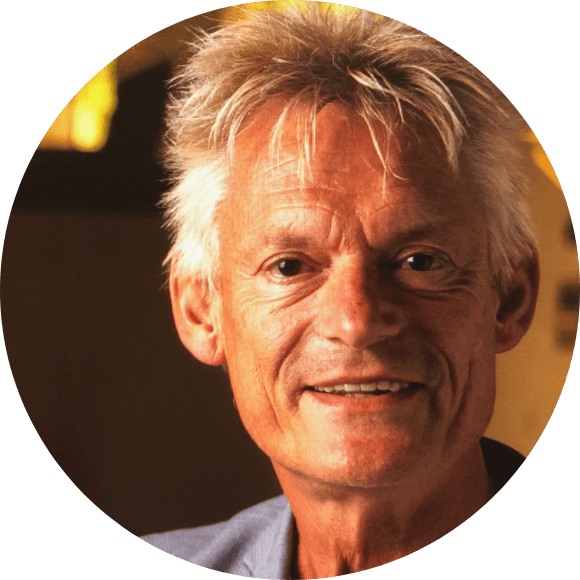
The Clinical Application of EMDR therapy in Clients with Complex PTSD
Ad de Jongh, Ph.D.
3 CEs
This session is designed to highlight the practical, in-the-room application of EMDR therapy. In this session, the presenter will share recorded clinical sessions with patients with Complex PTSD and borderline personality disorder, and guide attendees through key moments, offering a real-time look at moment-to-moment clinical decision-making. The goal is to help clinicians better understand how EMDR principles are applied flexibly inside the therapy room.
Ad de Jongh is a clinical psychologist and professor by special appointment of anxiety and behavioral disorders at the University of Amsterdam, honorary professor at Salford University in Manchester, the University of Worcester, Queen's University in Belfast and visiting professor at Northumbria University (UK). He is also the head of the research department of the PTSD clinic PSYTREC, and an approved trainer for the EMDR Europe association. His interests include the development of new treatment methods for anxiety, PTSD, and personality disorders. He is (co-)author of more than 500 publications on psychological topics.
Speakers
Discover the experts presenting at the EMDRIA Conference. Each year, we welcome EMDR therapists, researchers, and thought-leaders from around the world to share evidence-based practices, innovative tools, and real-world experience to help you deepen your EMDR skills.
Trainer Session
9 a.m. – 10:30 a.m. | Training Assisting Faculty
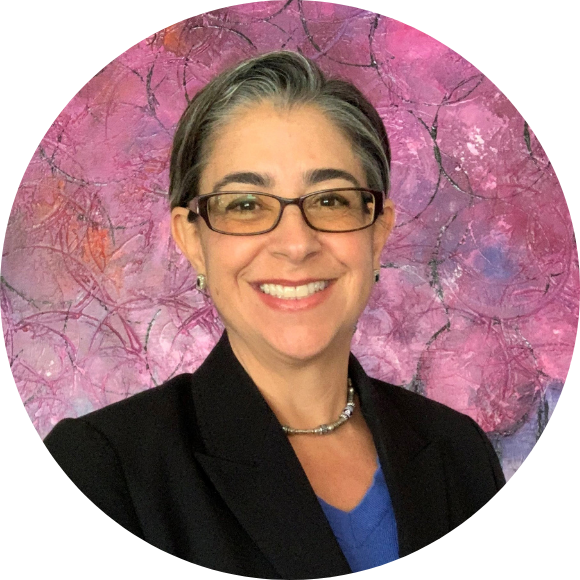
Alicia Avila, LCSW

Michelle Gottlieb, PsyD, LMFT, LPCC
Paula Harry, MS, LCSW, MBA
Consultant Session
2 p.m. – 3:30 p.m. | Best Practices in EMDR Consultation
Mary Eason, Ph.D.

C Paula Krentzel, PhD
Jasmine Adams, LCSW, PMH-C
Elizabeth Armstrong
Elizabeth Armstrong, LCSW, is an EMDRIA-Approved Trainer and Consultant, Certified Schema Therapist, Certified Meditation Teacher, and founder and director of a group practice in New York City. Trained at Columbia University and The National Institute for The Psychotherapies, Elizabeth has over 20 years of experience specializing in trauma, anxiety, and personality disorders. Elizabeth has presented at EMDRIA and ISST conferences, including workshops on integrating EMDR and Schema Therapy and confronting avoidance. Currently pursuing a Psychedelic-Assisted Psychotherapist Certification, Elizabeth is committed to advancing trauma treatment, mentoring clinicians, and contributing to the evolving field of psychotherapy.
Ann Beckley-Forest
Ann Beckley-Forest, LCSW, RPT-S, is an LCSW in private practice in Buffalo, New York. Her specialties include attachment, child/adolescent trauma, and adult survivors. She is an EMDR Approved Certified Therapist, Consultant, and Trainer, a faculty member of the Child Trauma Institute, Registered Play Therapist and Supervisor, and Approved APT Provider of play therapy continuing education. She provides consultation and gives trainings locally and internationally. Her primary interests focus on the intersection of play therapy and EMDR and is the co-editor of EMDR with Children in the Play Therapy Room: An Integrated Approach (2020) and the upcoming Oxford Handbook of EMDR.
Caleb Boston
Caleb Boston is a Licensed Professional Counselor specializing in somatic, nervous system-informed, and attachment-based trauma treatment. As a co-developer of Enactment-Focused EMDR (EF-EMDR), he integrates relational neuroscience, polyvagal theory, and enactment tracking into EMDR case conceptualization. Caleb is a co-author of Somatic Integration and Processing I & II and Body in Mind and co-hosts The Evidence Based Therapist podcast. As a consultant and educator, he trains clinicians in identifying and processing enactments within the EMDR protocol, emphasizing nervous system tracking, depth-oriented trauma processing, and real-time relational healing.
Stephanie Béguin-Howard
Stephanie has her LCSW in Virginia and North Carolina, and is an IFS-Trained, Registered Play Therapist, and an EMDRIA-Approved Consultant, providing group and individual consultation to EMDR Consultees and CITs who work with children/teens and/or adults. She owns a group private practice of five therapists (and currently hiring for a PT trauma therapist) in Fairfax, Virginia. Tranquil Mind Therapy, LLC, offers a range of therapies for all ages (young children through senior adults). Stephanie specializes in integrated EMDR approaches, including IFS-informed EMDR, Playful EMDR, and ERP/EMDR integration, and has specialized training in PTSD, CPTSD, Dissociative Disorders, Personality Disorders, and OCD. Stephanie has 25+ years of clinical experience in a variety of settings, including outpatient, foster care, home based counseling, day treatment, substance abuse prevention and intervention in the schools, and early childhood education. Please contact her to connect for referrals, consultation, and/or networking at info@tranquilmindtherapy.com or LinkedIn!
Roshni Chabra
Roshni Chabra (she/her) is a Licensed Marriage and Family Therapist in California and a dedicated Intersectional Feminist Therapist. She currently serves as the Director of Training at Roots Training Group (formerly StartAgain Associates), where she leads trauma-focused clinical initiatives rooted in mindfulness practices and EMDR therapy. Ms. Chabra is the editor of Queering EMDR Therapy, an anthology of essays, papers, personal narratives, poetry, and artwork that brings together 26 additional contributors in sharing their voices of lived and learned experience. She is also the Founder and President of Lavender Healing Collective, Inc., a group practice dedicated to providing culturally responsive, affirming mental health care to BIPOC and LGBTQ+ communities. Ms. Chabra holds dual bachelor’s degrees in Women’s Studies and Psychology, and a master’s degree in Feminist Clinical Psychology. She is a Certified EMDR Therapist, EMDRIA-Approved Consultant, and EMDR Trainer, with specialized training in trauma recovery, mindfulness-based approaches, and systems-level integration. With over 20 years of experience in the mental health field, Ms. Chabra has worked extensively with diverse populations, including LGBTQIA+ youth and adults, couples, families, foster and probation-involved youth, individuals with substance use disorders, and survivors of complex trauma. Her clinical interests also include supporting neurodivergent individuals and those navigating chronic illness or pain. Additionally, she spent five years working in the rape crisis movement, both locally and in San Francisco, where she provided direct services to survivors and held leadership roles. As a former Therapist, Program Manager and Director in Wraparound Services, Ms. Chabra has 8 years of experience supporting families involved in oppressive systems through collaborative, culturally grounded care.
Tara Cothren
Tara Cothren is a Counselor Education and Supervision doctoral student at Virginia Commonwealth University and a Licensed Professional Counselor. Since 2008, she has practiced mental health counseling in various settings, including school, community, and intensive outpatient programming. She has dedicated her practice to specializing in trauma and utilizes EMDR with the various populations in which she works. The preparation phase (phase 2) has been vital in her work to assist in resource building, affect regulation, and stabilization to promote well-being within the mind and body.
Johanna Curelo
Johanna Curelo has over two decades of experience integrating the creative process with more traditional therapeutic approaches. She quickly recognized the ways that art therapy and EMDR complimented each other and has been focused on exploring that integration over the last several years. Johanna’s career initially focused on working with youth and families. Her experience working with young children led to expanding her practice to include maternal mental health. In addition to working directly with clients in her practice, Johanna also provides clinical supervision for therapists seeking licensure and consultation to licensed therapists seeking addition support in their work.
Marnie Davis
Marnie Davis, LMHC, CEDS-C, is a Licensed Mental Health Counselor, Certified Eating Disorder Specialist and Consultant, Certified EMDR Therapist, EMDRIA-Approved Consultant and Health at Every Size-Informed clinician. She is the owner of a private practice in Maitland, Florida, where she specializes in the treatment of eating disorders and trauma. Davis is a seasoned presenter and enjoys speaking to various audiences and engaging in consultation and facilitation. She is a chapter author in the book Trauma-informed Approaches to Eating Disorders, currently in its 2nd edition process. She holds community service, social justice, and advocacy in high regard, fostering hope and healing for all.
Ad de Jongh
Ad de Jongh is a clinical psychologist and professor by special appointment of anxiety and behavioral disorders at the University of Amsterdam, honorary professor at Salford University in Manchester, the University of Worcester, Queen's University in Belfast and visiting professor at Northumbria University (UK). He is also the head of the research department of the PTSD clinic PSYTREC, and an approved trainer for the EMDR Europe association. His interests include the development of new treatment methods for anxiety, PTSD, and personality disorders. He is (co-)author of more than 500 publications on psychological topics.
Cassidy DuHadway
Cassidy DuHadway, LCSW, is a trauma therapist, EMDRIA Approved Consultant, and EMDR Trainer specializing in complex trauma, dissociation, and emotional neglect. With nearly two decades of experience, Cassidy helps clients and clinicians recognize the profound impact of unseen wounds—especially emotional neglect and the ‘good childhood’ narrative. She trains EMDR therapists to navigate attachment wounds and dissociation, equipping them with practical tools for deeper processing. As the CEO of Purple Sky Counseling, Cassidy is dedicated to empowering clinicians and clients alike in their trauma healing journeys. Learn more at www.cassidyduhadway.com.
Jenny Dwyer
Jenny Dwyer is an EMDR trainer in Australia, an approved EMDRIA Consultant and R-TEP and G-TEP trainer. An Accredited Mental Health Social Worker with over 20 years’ experience providing EMDR to children and families, she also contributes to research, policy development and practice innovations. Committed to ensuring marginalised communities have access to EMDR she has developed practice frameworks for government and organisations, including an EMDR early Intervention program for staff working with traumatised young people in residential care. Known for her engaging, practical teaching, she is a sought-after presenter and has published on trauma, children, and EMDR early interventions.
Mary E Eason (she)
As a psychologist in private practice, Dr. Eason has dedicated her career to helping individuals navigate the complexities of trauma. Dr. Eason is an EMDR Approved Consultant, Basic Training and RTEP/GTEP Facilitator and advanced trainer, roles that have deepened her commitment to advancing the field. Additionally, she is the Orange County Trauma Recovery Network coordinator collaborating with EMDR clinicians to support our community. With 30+ years experience, working in both public and private sectors, she offers practical insights in developing treatment plans that provide clarity with difficult cases.
Christina Fairbanks
Dr. Christina L. D. Fairbanks is a psychologist in the PTSD Clinic at the James A. Haley Veterans Hospital in Tampa, Florida. She is an EMDRIA Approved Consultant and Certified EMDR Therapist, and has been practicing EMDR therapy since 2015. She is co-moderator of the Office of Mental Health EMDR for PTSD Community of Practice and is a founding member of the EMDR Research Workgroup within the VA. Dr. Fairbanks also is a Co-Primary Investigator/Lead Site Investigator for a research study examining the delivery of EMDR therapy to Veterans.
Bridger Falkenstien
Bridger Falkenstien is a therapist, educator, and researcher specializing in trauma, attachment, and neurodevelopment. As a Licensed Professional Counselor and EMDR trainer, he integrates Somatic Integration and Processing (SIP) with EMDR to enhance case conceptualization and treatment outcomes. He is a co-developer of Enactment-Focused EMDR (EF-EMDR), which expands EMDR’s scope to address real-time relational reenactments of trauma. Dr. Falkenstien is an Assistant Professor at Missouri State University and co-host of the Notice That podcast. He offers consultation and training to help clinicians refine their practice through a relational, nervous system-informed approach.
Derek Farrell
Dr Derek Farrell MBE is a Professor in Trauma Psychology and Veterans Affairs at the University of Northumbria and Queen's University Belfast. He is President of Trauma Aid International, Trauma Response Network Ireland, and EMDR All Ireland. Derek has contributed to humanitarian trauma capacity-building in numerous countries and authored over 60 academic publications. He is a Co-Editor of the Oxford Handbook of EMDR and the Journal of EMDR Practice & Research. Derek is an EMDR Europe Accredited Senior Trainer and EMDRIA Certified Consultant.
Daphne Fatter, Ph.D.
Daphne Fatter, Ph.D., is an EMDR Certified licensed psychologist and an EMDRIA Approved Consultant. She is also IFS Certified and an Approved IFS Clinical Consultant. Dr. Fatter is the author of Integrating Internal Family Systems (IFS) into EMDR Therapy: The Step by Step Guide to Complex Trauma Recovery. Dr. Fatter developed Self Tapping for Attachment Readiness & Repair (STARR)™ as a multi-sensory intervention to use slow self-tapping for internal relational connection between a client’s Self and their internal parts. She draws on her nineteen years of clinical experience using EMDR to provide nuances to IFS integration interventions.
Jacqueline Flynn
Jackie Flynn, EdS, LMHC-S, RPT-S™ is an EMDRIA Approved Trainer and Consultant, Registered Play Therapist–Supervisor™, and author of EMDR with Kids Flip Chart. She offers EMDR intensives, ReWilding EMDR, and advanced trainings for therapists. In her Central Florida practice, Jackie brings the healing power of EMDR therapy to individuals across the lifespan, with safety and connection at the heart of her work.
Holly Forman-Patel
Holly Forman-Patel is a Licensed Marriage and Family Therapist (LMFT) and a Licensed Professional Clinical Counselor (LPCC). Holly utilizes multiple modalities with a primary emphasis on EMDR therapy. She was first trained in EMDR Therapy in 2013 and since then have become certified, an Approved Consultant and EMDR Basic Trainer. She has presented various advanced trainings in EMDR Therapy, including on its use with children, treatment planning and with anxiety disorders.
Stephanie Glitsos
Stephanie Glitsos, is the Phoenix VA Healthcare System’s Military 2 VA (M2VA) Program Manager and Southwest Region M2VA Lead. Prior to her current role, Stephanie was the General Mental Health Social Work Supervisor and a family therapist. Stephanie co-leads the VA’s National Eye Movement Desensitization and Reprocessing (EMDR) Therapy Research Workgroup and participates on several national VA Social Work committees. Stephanie is trained in various psychotherapies to include: EMDR, Cognitive Behavioral Therapy for Depression, Cognitive Processing Therapy, Dialectical and Behavioral Therapy, Acceptance and Commitment Therapy, Motivational Interviewing and Emotionally Focused Couples Therapy. She has been practicing EMDR since 2009.
Moacir Godoy
Doctor Moacir Fernandes de Godoy is a cardiologist and hemodynamicist. PhD in Cardiovascular Surgery, Full Professor of Cardiology and Deputy Director of Teaching at the Faculty of Medicine of São José do Rio Preto. He is coordinator of the Transdisciplinary Center for the study of Chaos and Complexity. He has numerous presentations at conferences and published articles on Chaos Theory applied to medicine, Nonlinear Dynamics, Time Series, Autonomic Nervous System, Atherosclerosis, Oxidative Stress, Congenital Heart Diseases, Statistics.
Michelle Gottlieb
Michelle Gottlieb, Psy.D, LMFT, LPCC is an experienced clinician with a private practice in Fullerton, CA specializing in complex trauma, chronic pain/illness. She is adjunct faculty at Cal State, Fullerton in the counseling graduate division for over twenty years with exemplary reviews. She has presented internationally on a variety of topics related to EMDR Therapy.She has facilitated for EMDR HAP and the EMDR Institute. She is also the consultant for the Orange County, CA TRN. Michelle is co-founder, President/CEO, and Senior Trainer along with Curt Rouanzoin of EMDR Professional Training; also hosting the podcast EMDR Chat with Curt and Michelle.
Steven Halady
Steven Halady, PhD LCSW, completed a doctorate in philosophy in 2010 before changing careers and completing an MSW in 2015. He has worked as a clinician in a variety of mental and behavioral health settings, and has also worked as a supervisor, consultant, trainer, and educator. He joined the Motivational Interviewing Network of Trainers in 2019. He is an EMDRA Certified EMDR Provider and Consultant-in-Training. He has a small private practice in Buffalo, NY, where he lives with his husband and two cats.
Hannah Hamilton
With over thirteen years in community mental health and private practice, Hannah is a seasoned EMDR therapist specializing in complex trauma, sexual abuse, and assault. She integrates EMDR and Ego State Therapy across various diagnoses, recognizing their transformative impact. With expertise in community mental health and substance use, she has refined her skills in treating historical trauma and complex cases. Passionate about increasing access to trauma therapy, Hannah is committed to expanding its reach within the wider community, ensuring more individuals receive the support they need to heal and thrive.
Cathy Hanville
Cathy Hanville, (They/She) works and lives at the intersection of gender identity and neurodivergence. They are an approved consultant and CE provider and have provided training on integrating parts work and EMDR to address attachment trauma. They recently had an article on Gender Identity and Neurodiversity in Go With That Magazine. They identify as Gender Queer and recently obtained their official ADHD diagnosis which explained a lot. They are licensed in both PA and CA.
Crystal Hines
Crystal Hines, EdS/MS, LPC, is an EMDR and IFS Certified Therapist and Consultant, founder of Align Therapy and Consultation, and a powerful guide for mental health professionals healing from complex trauma. A survivor herself, she blends brain-body-heart wisdom with a bold, compassionate approach to therapy and consultation. Through her practice, she creates spaces for therapists to grow in community offering trainings, groups, and support designed to encourage resilience and connection. With deep belief in the inner wisdom of every person, Crystal leads with authenticity as both an entrepreneur and mother of three.
Kriss Jarecki
Kriss has been an LCSWR since 1987. She is a consultant and trainer for Progressive Counting and EMDR and an advanced training provider. Kriss currently serves on the EMDR International Association Board of Directors and was a member of the EMDRIA Standards and Training Committee for four years. She served as a co-regional coordinator for the WNY EMDR Regional Network for 10 years. She has published articles in the Journal of EMDR Practice and Research, Traumatology and Counseling and Psychotherapy Research. Kriss created courses for the University of Buffalo on trauma and shame and on trauma and disabilities and is the creator of The Seed to Weed Technique. She also provides several trauma related trainings such as Integrating Neuroscientific Interventions in Trauma Treatment, A Tour of Trauma Sensitive Techniques for the EMDR Practitioner, IFS Meets EMDR and Queer Affirmative EMDR. Kriss presented The Tree of Me and The Seed to Weed Techniques: Graphically Illustrating Target Memories, Symptoms etiology, treatment progress and Resolution to the UK EMDR Child and Adolescent Group in 2022 as well as “From Trauma to Triumph: Journey to Resiliency in the Community of Those with a Disability” at the EMDR Canada 2022 and 2023 conferences and the EMDR International Association 2022 conference. Kriss also presented the Tree of Me and Seed to Weed: Interactive Techniques to Explain Trauma, Gather Targets and Highlight Treatment Outcomes Her book, Say That Again: A Smorgasbord of Suggestions, Sayings and Scripts for the EMDR Practitioner was published on August 17, 2022. https://store.bookbaby.com/book/say-that-again
Arielle Jordan
Mariena Joy (she/y'all)
Mariena Joy is an EMDR Certified Therapist and Consultant in Oregon. She is a neurodiverse (AuDHD), intersex, plural, queer, Kinky therapist experienced in EMDR with parts work, somatic & attachment modalities, sandtray, and more within these marginalized identities. Over the last 8 years, Mariena has served as an educator, speaker, & community advocate. Mariena has presented on EMDR with intersex people: available on EMDRIA’s Diversity SIG library. This presentation has been used in curriculum for social work programs at Portland State University and California State University Northridge, where she has been a repeated guest lecturer. More information available at www.Brainbowfire.life
Rebecca Kase
Rebecca Kase, LCSW, is a leading expert in trauma therapy, EMDR, and Polyvagal Theory. With nearly two decades of experience, she is the founder of The Trauma Therapist Institute, where she trains and mentors clinicians in neuro-informed, integrative approaches to healing. A sought-after speaker, author, and consultant, Rebecca blends science, compassion, and practicality to help therapists deepen their skills and confidence. She is the author of Polyvagal Informed EMDR and is passionate about making trauma treatment more accessible, effective, and human-centered. When she’s not teaching, you can find her practicing yoga, writing, or spending time outdoors.
Kayla Keener
Kayla Keener, is a Mental Health Individual Therapist, and a Co-Principal/Lead Site Investigator for the Cleveland VA Healthcare System and research department. Prior to her current roles, she served as a Mental Health Intensive Case Manager for the Cleveland VA Healthcare system. Kayla became a Certified EMDR Therapist in June 2022, and continues aided in the development, understanding, and knowledge base of EMDR through presenting an ‘Overview of EMDR’ to colleague for professional development. Kayla is currently dual licensed as Independent Social Worker – Supervisor and a Licensed Independent Chemical Dependency Counselor. She has been practicing EMDR since June 2019.
Erin Kelly (she/they)
Trish Kessler
Trish is an LPC, and the founder and owner of Empower Counseling, PC in Virginia. She is a certified eating disorder specialist and consultant (CEDS-C) through the International Association of Eating Disorder Professionals. Recently, Trish became certified to teach Restorative Yoga and is a Registered Yoga Therapist (RYT200). She has found using the combination of EMDR and Yoga provides a deeper mind-body connection that eating disorder patients require, for overall healing. Trish’s passion is to empower others through counseling, business consulting, speaking, yoga, and writing.
Roy Kiessling
Roy was initially trained in EMDR in 1995. He became a facilitator for Francine Shapiro's training institute in 1998, and its international internet discussion list moderator in 1999. He was invited to become a trainer for Francine's humanitarian assistance program in 2001 and from then until 2013 conducted 125 EMDR basic training programs throughout the Continental United States as well as overseas in the Middle East and Russia. In 2006 he received the Liz Synker Humanitarian Award for his volunteer service. Also in 2006, Francine invited him to become one of her institute's senior trainers. One of his responsibilities was to chair the Institute's manual revision committee, tasked with the responsibility of updating their EMDR Basic Training materials to conform to EMDRIA's 2006 newly mandated requirements. In addition to providing basic training, Roy also presented at conferences and offered advanced EMDR training on resource development and a core belief-focused approach to EMDR. In 2013 Roy resigned from his positions with Francine's organizations and formed EMDR Consulting. His training approach focused on helping clinicians integrate EMDR into their clinical practice. This approach presented EMDR from a core belief neural network perspective, with a variable speed processing approach, i.e., The Processing Continuum: EMD^, EMDr, and EMDR. Clinicians learned how to integrated EMDR into their theoretical perspective rather than following rigid rules and protocols. By 2015 demand for his training approach required him to add trainers and consultants. Since then EMDR Consulting has grown to become one of the largest training organizations in the United States, offering, on average, over 100 EMDR Basic Training courses a year, helping over 2000 clinicians integrate EMDR into their clinical practice.
Deborah Korn
Deborah L. Korn, Psy.D., maintains a private practice in Cambridge, MA, and is on the training faculty of the Trauma Research Foundation and the EMDR Institute. Dr. Korn has authored numerous articles and chapters focused on EMDR therapy, including comprehensive reviews of EMDR applications with Complex PTSD. She is an EMDR International Association-approved consultant and is also on the Editorial Board of the Journal of EMDR Practice and Research. She presents and consults internationally on the treatment of adult survivors of childhood abuse and neglect and recently released Every Memory Deserves Respect—a book about EMDR therapy, written for the layperson.
Joel Kouame
Joel Kouame, LCSW, MBA, CAMS-II, is a licensed psychotherapist and founder of JK Counseling, a virtual group practice specializing in anger, trauma, depression, and anxiety. He utilizes evidence-based approaches like EMDR, IFS, and the Gottman Method to help individuals and couples create lasting, meaningful change. In addition to his clinical work, Joel is an adjunct professor and writer, passionate about integrating psychology, sociology, and social justice into his teachings and publications. His expertise bridges research and real-world application in a practical and relatable way.
C Paula Krentzel
C Paula Krentzel, PhD, a practicing psychologist for three decades, is a certified EMDR clinician and an Approved EMDR Consultant. She is an EMDRIA Facilitator and a member of the Boston Trauma Response Network. Dr. Krentzel was trained at Massachusetts General Hospital and Children’s Hospital, Boston, MA. She is also trained in Sensorimotor Psychotherapy, AEDP and Structural Dissociation.
Deany Laliotis
Deany is an internationally recognized trainer in EMDR who founded The Center for Excellence in EMDR Therapy and developed Relational EMDR Therapy℠, an attachment-informed approach to treating complex trauma. Deany worked closely with Francine Shapiro and was her Director of Training as well as a Senior Trainer. Deany received the Francine Shapiro Award in 2015 and has authored and co-authored several articles and book chapters. She lives in DC with husband and EMDR therapist & Consultant, Dan Merlis.
Dr. Tiff Lanza
Dr. Tiff Lanza (they/them) is a licensed clinical social worker practicing in Pennsylvania, New Jersey, and Florida, with a Ph.D. in Human Sexuality. A liberation-focused therapist, they serve the LGBTQIA+ Autistic, ADHD, AuDHD, physically & intellectually disabled individuals, people of the global majority, and those with chronic illness; centering sexual trauma and development. Dr. Lanza integrates EMDR through a neuro and gender affirming, anti-oppressive lens, grounding in healing justice. Their work prioritizes creativity, accessibility, and consent across therapy, consultation, and training services. Known for their unapologetically affirming and radically inclusive practice, Dr. Lanza offers services that are trauma-humble, justice centered, and deeply transformative.
Christopher Lee
Associate Professor Christopher Lee works in private practise and has an adjunct appointment at the University of Western Australia. He is a certified trainer by both the international society of schema therapists and the EMDR international association. He conducts therapist training workshops on personality disorders and trauma treatments throughout Australia and overseas. He has published research on the assessment of schemas and the effectiveness of schema therapy for BPD and PTSD. He has received an International Society for Traumatic Stress Studies and EMDRIA awards for research excellence in 1999 and 2014. In 2009 he also received the Inaugural Francine Shapiro award for research excellence conferred by the European EMDRIA. He was the 2011 recipient of the Australian Psychological Society’s Ian Campbell memorial award for contributions as a scientist-practitioner to Clinical Psychology in Australia. He is currently a principal investigator in an international multi-centred randomised controlled trial on complex PTSD.
Alison Leslie
Alison is a licensed clinical social worker living in Bloomington, IN, and owns her private practice, Empower Healing Counseling and Consultation. Alison approaches therapy through the lens of presence and attunement and believes in being a guide to help clients find their internal healing powers. Alison Leslie is a Somatic Experiencing Practitioner and Transforming Touch Therapist, as well as an EMDRIA-approved Trainer, therapist, and consultant. She has a background in animal-assisted services and includes the human-animal bond and nature in the therapeutic experience.
Barry Litt
Barry received his Masters degree in Family Therapy in Philadelphia where he studied contextual therapy with is founder, Ivan Boszormenyi-Nagy. Barry is an EMDRIA Approved Consultant, and a member and frequent presenter for the ISSTD and EMDRIA. He has authored three chapters in as many books plus a journal article on the integration of EMDR with couples and family therapy, and has presented workshops at numerous EMDR conferences and provided many workshop trainings to international audiences. Barry is dedicated to advancements in theoretical integration and technical innovation in EMDR therapy. Barry has a private therapy and consulting practice in NH.
Farnsworth Lobenstine
Farnsworth Lobenstine, LICSW, became an EMDR Institute faculty member in 2001, and EMDRIA Approved Consultant in 2003. He facilitated for EMDR HAP from 2005-2012. In 2007 he created a ten-month webinar on EMDR and Ego State Therapy with Structural Dissociation added in 2012. In 2013, he created a traveling Weekend Webinar on treating Complex Trauma teaching therapists to create their own Meeting Place so they could do Ego State Therapy with their clients. In 2019, both became online webinars. In March, 2025, Farnsworth will receive the Distinguished Service Award from the International Society for the Study of Trauma and Dissociation.
Amber Gentry Lopez
Amber Gentry Lopez, MEd, LPC-S, RPT-S, CHST, BC-TMH is an EMDR Child-Specialist, EMDRIA-approved Consultant-in-Training, Licensed Professional Counselor-Supervisor, Registered Play Therapist-Supervisor, and Certified Humanistic Sandtray Therapist. She has presented at multiple state conferences and school districts and led numerous workshops for parents, educators, community members, and mental health professionals. Formerly the Director of Mental Health at the Children’s Advocacy Center of Parker County, she now owns a private practice specializing in creative therapeutic strategies for children, adolescents, and adults. She provides individual, group, and couples therapy, as well as consultation and supervision. Amber is a doctoral student at Walden University.
Kathia Lopez Murdock
Kathia is a bilingual psychotherapist fluent in English and Spanish, with an MA in Clinical Psychology from the Illinois School of Professional Psychology. Specializing in complex trauma and dissociation, she integrates EMDR with relational, hypnosis, ego state, sensorimotor psychotherapy, and deep brain reorienting. An EMDR-approved consultant and facilitator for the EMDR Institute, she is also faculty at the International Society for the Study of Trauma and Dissociation and certified in Clinical Hypnosis. Based in Chicago, she maintains a private practice, is married with two children, and enjoys music in her free time.
Barbara Lutz
Barbara Lutz, PhD, Licensed Marriage Family Therapist, EMDRIA consultant, trainer. In 1992 I graduated as German social worker and obtained my PhD in international psychology/ trauma focus from The Chicago School of Professional Psychology in 2012. I developed the course “Global Mental Health and Human Rights” and teach psychology to a rural predominantly Hispanic student population. Publications include “Why Global Health Matters, How to (Actually) Make the World a Better Place” (ed. Chis Stout), as well as in “Cultural Competence and Healing Culturally Based Trauma with EMDR Therapy” (ed. Mark Nickerson).I provide EMDR therapy in English, Spanish, and German.
Jennifer Marchand
Jennifer Marchand is a Canadian Certified Counselor and EMDRIA-approved consultant with over 10 years of clinical experience in a diverse range of cultural contexts, including with Indigenous populations in Northwest British Columbia, in Vietnam, Ghana, Kurdistan, Afghanistan, and Southeast Europe. Based in Addis Ababa, Ethiopia since 2021, she is dedicated to the field of global mental health and working in underserved settings. In addition to her private practice, she supports projects working with survivors of conflict-related sexual violence, including in Ethiopia, and provides trauma sensitivity training to health professionals in conflict-affected settings with a human rights organization called Medica Mondiale.
Jamie Marich
Dr. Jamie Marich is an EMDRIA-approved trainer and the founder of the Creative Mindfulness Network. Marich is the author of over 15 books including EMDR Made Simple, Trauma and the 12 Steps, and Dissociation Made Simple (2023). Their personal memoir You Lied to Me About God came out in 2024, and they are the production editor of Queering EMDR Therapy (2025), published by Creative Mindfulness Media. The EMDR International Association (EMDRIA) granted Jamie the 2019 Advocacy in EMDR Award. The Huffington Post published their personal story of being out as a clinical professional with a dissociative disorder in May 2023.
Christine Mark-Griffin
Christine Mark-Griffin, LCSW is an EMDRIA-approved consultant and advanced trainer. She specializes in EMDR for children, trauma-informed yoga therapy, play therapy and perinatal mental health. She is passionate about integrating her clinical work with her love of yoga, music, fitness, and art. Christine is the founder and clinical director of Spark All Wellness, a group practice in San Francisco and Pasadena focused on trauma and EMDR for kids and mamas. She is also the founder of EMDR for Kids, offering advanced training for clinicians working with children and families. Additionally , Christine is the author of the award-winning EMDR Workbook for Kids, one of the first EMDR therapy tools created specifically for children.
Priscilla Marquis
Dr. Priscilla Marquis was first trained in EMDR in 1990 Has been teaching and training EMDR since 1991. She is a bilingual Spanish clinician who has completed EMDR trainings around the world with EMDR HAP and the EMDR institute as a trainer and or facilitator. She has published on EMDR as an author in the Kaiser study and written a Chapter on EMDR Scripted Protocols on Hoarding Disorder (Luber, Ed. 2015). She was Anxiety Disorders team leader at Kaiser Hospital. She has worked with anxiety since 1990. She is in private practice in California.
Earl Martin
Earl C. Martin Jr., LCSW, is a licensed clinical therapist, podcaster, curator of healing, living one of his passions of aiding individuals to live their healthiest. He is the owner of Innate Virtue Counseling, PLLC and the creator of 26 Affirmations for Boys of Color card deck. Earl has extensive experiences working with trauma, intimate partner violence and boundary setting, with specializations in the intersections of LGBTQIA+, minority stress, and trauma. Earl received his Master of Social Work and B.A. in Psychology from Winthrop University, where his studies focused on empowerment, racial inequities/microaggression experiences and youth who identify as LGBTQIA+.
Suzy Matthijssen
Suzy Matthijssen, Ph.D. is a clinical psychologist, psychotherapist, senior researcher, cognitive behavioral therapist and consultant ,psychotraumatherapist NtVP, EMDR trainer in training and is a lecturer at post-doctorate psychology specialization programs. She is the director of the PSYTREC Academy, where she is responsible for research, training and education. She is involved in research on the enhancement of trauma therapy, intensive trauma treatments and working mechanisms of trauma therapy. She is the vice president of the Dutch EMDR association and is a member of the scientific committee of EMDR Europe and the former cochair of the Council of Scholars; the future of EMDR project.
Paula Merucci
Paula P. Merucci, LCSW, is an EMDRIA Approved Basic and Advanced EMDR trainer, presenter, and owner of EMDR Chicago Training and Consultation. Based in Evanston, Illinois, she specializes in addiction and trauma, bringing research-backed, neuroscience-driven treatment to clinicians and clients. Passionate about making EMDR accessible and effective, she has trained hundreds of therapists, adapting to online platforms during the pandemic to continue supporting the field. Paula is committed to high-quality, engaging training that helps clinicians feel confident using EMDR to change lives.
Paul Miller
Prof Paul W. Miller, MD MB BCh BAO DMH MRCPsych FRSA, is a Consultant Psychiatrist, author, and founder of the Mirabilis Health Institute. He is an EMDR Europe Accredited Trainer, an EMDR Institute facilitator, and a Visiting Professor at Ulster University. With over 25 years of experience, he specializes in PTSD and Complex PTSD treatment, particularly for first responders and veterans. Prof Miller is involved in international humanitarian work with OSMTH and Trauma Aid Europe, focusing on projects in Ireland, Myanmar, Northern Iraq, and Ukraine.
Annie Monaco
Annie Monaco, LCSW-R, RPT-S, is co-founder of Playful EMDR, an online hub for training and consultation. Annie travels internationally/US providing specialty trainings on EMDR with children and teens and treating attachment wounds and children using dissociative strategies. Annie has extensive experience with foster care, out of country adoptions, and at-risk teenagers and family therapy. Annie is an EMDRIA approved trainer of EMDR and provides consultation to therapists and agencies. Annie is the co-editor and contributor of chapters for EMDR with Children in the Play Therapy Room, An Integrated Approach (2020) and contributing chapter for EMDR and Creative Arts Therapies (2022).
Andre Monteiro
André took his EMDR Basic Training in 2000. He became an EMDR Institute Trainer in 2007 and a trainer of trainers in 2011. He`s also an EMDR Europe senior trainer. André has presented extensively on the transgenerational transmission of traumas and resources with EMDR, as well as EMDR group psychotherapy. He is the current president of EMDR Brazil and coordinates Instituto Espaço da Mente (Space of the Mind), an online website devoted to teaching psychotraumatology to psychologists and psychiatrists. He is also on the boards of the Alliance for Latin American and the Caribbean and the EMDR Global Alliance.
Susie Morgan
Susie Morgan, LMFT, BCETS, is an EMDRIA Approved Consultant and Trainer and the Founder of Precision EMDR, a boutique training agency dedicated to excellence in equipping and mentoring clinicians to provide safe and effective EMDR therapy. In developing Precision EMDR’s Basic and Advanced Trainings, Susie has synthesized her own 20 years of clinical experience as an EMDR therapist treating Complex Developmental Trauma with curated wisdom from two decades of dedicated learning under the greats in the field. Susie has developed the Precision EMDR methodology to provide a practical, strategic approach to conceptualizing and treating Complex Trauma and Attachment. (CA LMFT41442).
Carrie Mounier (she/her)
Carrie Mounier, LCSW, is a Licensed Clinical Social Worker at the Division of Adolescent and Young Adult Medicine at Children's Hospital Los Angeles. With over 25 years of experience, she specializes in working with youth experiencing homelessness, LGBTQIA+ youth, complex trauma, serious mental illness, and substance use disorders. She coordinates social work internships and serves as clinical faculty for the Leadership Education in Adolescent Health program. Her interests include medication addiction treatment, structural competency in antiracism, and using EMDR and neurofeedback for trauma. She is a passionate advocate for marginalized youth and young adults in community mental health.
Lacey Poltorasky
Lacey Poltorasky is a Certified Canadian Counselor, Approved EMDR Consultant, and clinical supervisor living and working in the Yukon, Canada. She is an approved provider through First Nations Health Authority. Lacey is Indigenous (a member of the Tahltan Nation) and Swiss with extensive experience working with complex and collective trauma, race-based trauma, and with diverse sexual orientations (LGBTQIA2S+). As an EMDRIA consultant and clinical supervisor, she is highly motivated to support clinicians in making mental health services and trauma therapy culturally relevant for Indigenous populations and in supporting Indigenous practitioners.
Ann Potter
Ann E. Potter, Ph.D. has worked over 40 years in the mental health field as a psychiatric nurse, educator, therapist, psychologist, evaluator, researcher, writer, presenter, and consultant. She is a certified therapist and approved consultant in EMDR, a certified therapist in RO DBT (Radically Open Dialectical Behavior Therapy), and has training and extensive experience in DBT (Dialectical Behavior Therapy). She piloted outcome research related to phase-based trauma treatment (DBT/EMDR) for adults and published articles on the roles adults played as children in alcoholic families, books on trauma treatment, and articles on EMDR therapy.
Sonny Provetto
Sonny Provetto, MSW, LICSW, is the founder of the Vermont Center for Responder Wellness and an EMDRIA-approved consultant. A former police officer, Sonny specializes in responder wellness, focusing on resilience in the face of trauma. He provides wellness services to over 20 Vermont departments, drawing from 36 years of experience as a police officer and emergency mental health clinician. In 2017, Sonny's testimony on PTSD influenced Vermont’s legislation to recognize PTSD as a work-related injury for first responders. He is developing and researching the Acute Stress Adaptive Protocol (ASAP) to enhance responder resilience after trauma.
Jaan Reitav
Dr. Jaan Reitav is a Clinical and Health Psychologist at UHN-TRI’s Cardiovascular Prevention and Rehabilitation program and Professor of Clinical Diagnosis at CMCC. A certified EMDR Therapist and Behavioral Sleep Medicine specialist, with over 35 years of clinical experience. Dr. Reitav is co-author of Putting Trauma To Sleep (TABS treatment model), a clinical manual for trauma therapists. This manual provides practical suggestions for assessing and treating common sleep disturbances. He wrote the first international Cardiac Rehabilitation Guideline identifying sleep disturbances as modifiable cardiovascular risks. He was an invited member of Insomnia Disorder Quality Standard Advisory Committee Ontario Ministry of Health.
Irene Rodriguez
Irene M. Rodriguez, MS, LMHC, REAT, is the founder and director of Mindful Journey Center. She is a Registered Expressive Arts Therapist, an EMDRIA-Approved Consultant and Trainer, and a Certified Laughter Yoga, Meditation Facilitator. Irene co-authored a chapter on Expressive Arts and EMDR Therapy with Dr. Jamie Marich. Irene is known for her compassionate and supportive approach to training, meeting trainees where they are and helping them build skills with empathy and understanding. She began her career in community mental health and has since specialized in addiction, complex trauma, attachment, dissociation, mindfulness, expressive arts, and compassion fatigue.
Jen Savage
Jen Savage is a therapist, consultant, and EMDR trainer specializing in relational trauma, attachment, and nervous system regulation. As a co-developer of Enactment-Focused EMDR (EF-EMDR), she emphasizes the therapeutic relationship as a space for healing relational trauma in real time. Jen is passionate about fostering safety in connection and guiding therapists in attuning to enactments within EMDR therapy. Through consultation and training, she helps clinicians expand their understanding of attachment-based, somatic, and relationally focused EMDR interventions, ensuring that both clients and therapists experience deeper, more transformative healing.
Irene Siegel
Irene R. Siegel, Ph.D., LCSW is director of Center Point in Huntington N.Y. where she conducts her integrative EMDR therapy practice and teaches meditation and healing. She studied ancient healing arts of native healers of indigenous cultures throughout North and South America, and teaches the integration of Western psychotherapy with ancient healing arts as depicted in her book The Sacred Path of the Therapist: Modern Healing, Ancient Wisdom, and Client Transformation. As an Approved EMDR Consultant, teacher, and lecturer she has broken through traditional barriers introducing the innovative concept of integrating mindfulness and resonance into the EMDR protocol.
Deborah Silveria
Deborah Silveria Ph.D. is a licensed psychologist and LMFT. She works at the Amen Clinics. She specializes in complex trauma. She has been practicing EMDR since 1996 and has traveled to areas providing EMDR therapy after disasters (Haiti, Maui). Dr. Silveria is a Basic and RTEP/GTEP Trainer for EMDR Trauma Recovery Network and EMDR Professional Training. She is also an Approved Instructor in Critical Incident Stress Management for the International Critical Incident Stress Foundation. She is the EMDR consultant and program coordinator for a retreat for first responders with PTSD, as well as an adjunct professor at Cal State Fullerton.
Roger Solomon
Roger Solomon, Ph.D. is a psychologist specializing in trauma and grief. He is Program Director of the EMDR Institute and teaches EMDR internationally. He is a consultant with the US Senate, and has provided consultation to law enforcement and government agencies, including the FBI, Secret Service, NASA, U.S. Army, and numerous public safety agencies. He has authored or coauthored 49 articles and book chapters pertaining to EMDR therapy, grief, complex trauma, acute trauma and first responder stress. In 2022, his book on EMDR therapy and grief and mourning was published in Italian and the English version currently in press.
Liam Spicer
Liam Spicer (he/him) is a Psychologist, Academic and Researcher who currently holds a position as a Senior Lecturer at the Cairnmillar Institute coordinating and teaching the Postgraduate Certificate in Trauma Informed Care. Liam is passionate about training, research, and collaboration with other neurodivergent individuals in the Neurodiversity Affirming Space, with lived experience of neurodivergence himself as an Autistic ADHDer. Liam has been a presenter at International and National conferences including in Europe and Asia on the topics of EMDR, Schema Therapy, Autism, ADHD and Grief and has delivered guest webinars and trainings for EMDRAA, AAPi, Headspace, APS, and other organisations and practices. He is an accredited EMDR Consultant and Training Facilitator, and also an accredited Schema Therapist with the ISST. Liam has been the recipient of the University of Tasmania Vice-Chancellors Leadership Award and has received an academic commendation for industry experience and service. Liam has been a contributor to the Routledge International Handbook of Child and Adolescent Grief on the topic of Youth Suicide and his current PHD at Curtin University, Perth is focused on the use of Schema Therapy for Prolonged Grief. Liam has published in top academic journals including his recent paper with colleagues on Understanding Early Maladaptive Schemas in Autistic and ADHD individuals which has gained widespread international attention. In clinical practice, Liam works in the areas of Autism, ADHD, Grief, Complex Trauma and Dissociation, among other areas.
Erin Spier
Erin Spier has been a therapist in rural Oregon since 2007. Her work has focused on addressing generational trauma through individual and family therapy. Her ongoing training in Therapeutic Life Story Work, EMDR, and expressive art therapies, has focused her work with adoptive and foster families and the neurodivergent community. Through her practice, Creative Roots Therapy, LLC, Erin has also had the privilege of presenting at local school districts in her county, as well as being published in peer-reviewed journals, in order to share her work with other professionals dedicated to reducing the impact of trauma and stress within their communities.
Jennifer Tattersall
Jennifer has worked in a variety of settings and has worked with adults for over 20 years and has been EMDR trained for 9 years. She is currently pursuing AEDP certification. She is trained in Sensorimotor Psychotherapy, Hypnotherapy, Structural Dissociation, and completed the 200-hour requirements for Yoga teacher training. Jennifer has co-presented the Distancing Technique for the treatment of OCD and anxiety disorders. She presented at EMDR International Association in 2021.
Celeste Thirlwell
Dr. Celeste Thirlwell is a Neuroscientist, Psychiatrist, and Sleep Medicine Specialist with expertise in Electrophysiology Research and Neurosurgery. She founded the Sleep Wake Awareness Program (SWAP), a clinic integrating neuroscience-based techniques with standard sleep medicine. SWAP is one of the few clinics analyzing polysomnographic data for Autonomic Nervous System (ANS) dysregulation. She also specializes in sleep instability and ANS dysfunction, particularly in older patients with fibromyalgia/chronic fatigue syndrome, PTSD, and CPAP non-compliance. Her work advances understanding & treatment of complex sleep disorders through cutting-edge research and clinical practice.
Laurel Thornton
Amy Wagner
Amy Wagner, an EMDRIA Approved Consultant and multi-state licensee, is the Owner and Clinical Director of a boutique group practice in Orlando, FL, specializing in Developmental Trauma and Relational Wounding. An EMDRIA Credit Provider, she has used EMDR since 2016 and trains in advanced topics for the Institute of Creative Mindfulness. Passionate about systemic healing, Amy enjoys exploring the intersection of Dissociation, ADHD, and Trauma-Related Autism traits. She offers trauma intensives, group therapy, and retreats, integrating innovative healing approaches. Amy is actively working to re-establish the Greater Orlando area TRN to enhance trauma recovery resources in her community.
Elizabeth Warson
Elizabeth Warson is a leader in integrating equine-assisted therapy with expressive arts. With extensive research experience at George Washington University and Eastern Virginia Medical School, she combines her expertise as an EMDR provider and advanced consultant with expressive arts therapy and equine-assisted therapy in her practice, Healing Pathways LLC, based in northern Colorado. Elizabeth also teaches at the Trauma-Informed Practices & Expressive Arts Therapy Institute, focusing on polyvagal-informed, nature-based, and equine-assisted expressive arts therapy. With a PhD from Colorado State University, she’s an accomplished author and researcher, having published over 20 peer-reviewed works.
Debra Wesselmann
Debra Wesselmann, a therapist with 34 years of experience, specializes in healing generational trauma and fostering secure attachments. Trained in EMDR therapy by Francine Shapiro in 1995, she now provides EMDR trainings through the EMDR Institute. She co-developed a child-inclusive EMDR training with Carolyn Settle. Wesselmann has co-authored books on integrative EMDR and family therapy for children with attachment trauma and on EMDR and parts work for adults. She has also contributed to research, including a case series on 23 adopted children treated with EMDR and family therapy, published in the EMDR Journal of Practice and Research.
Sherry Yam
Sherry Yam, LCSW, EMDRIA approved EMDR Consultant, EMDRIA Military SIG Co-Moderator currently holds research appointments at the Stress & Health Research Program - San Francisco VA and University of California, San Francisco - Weill Institute for Neurosciences and The Philip R. Lee Institute for Health Policy Studies. She is a seasonal Psychology instructor for a college-prep program at University of California, Berkeley. With her passion in humanitarian work and bridging the gap of diversity in clinical research, her recent work includes launching a new refugee program for World Relief, overseeing 4 offices in the state of California. She was appointed as the NorCal Trauma Recovery Network | EMDR Humanitarian Assistance Programs coordinator from 2023 - 2025. She is the recipient of the 2024 TRN Leader of the Year award. She currently serves as the volunteer Contributing Editor for the StressPoints - Global Perspective Column and the Cantonese Translator at ISTSS. Her research interests focus on PTSD, aging, health disparity and technology.
Tina Zampieri, PhD
Psychologist, PhD (neurology department), included EMDR to treat socially dependent groups and recurrent dysfunctional relationships, presenting a family protocol at the first EMDR-BR Congress (2007). She created EMDR program with systemic games focused on integration, safety, diversity, and inclusion, for complex and transgenerational trauma, currently applied to victims and perpetrators in DV as postdoctoral (cardiology department, medical university). EMDR trainer, created a protocol to unlock fear of doing research, coordinates research nucleus of the EMDR Brazil and teaches CE focused on EMDR for egoic restructuring. She has presented at EMDR congresses in several countries in the Americas and Europe.
William Zangwill
William Zangwill, Ph.D. is a clinical psychologist and founder and director of EMDR and Training. An EMDRIA approved EMDR trainer and Certified Schema Therapist, he has trained EMDR clinicians across the US as well as in Europe, Asia and the Middle East. He has been an invited speaker at several national conferences and his writings include chapters on combining EMDR with Schema Therapy, with Mindful Practice and on Sexual Victimization. He practices in New York City specializing in the treatment of PTSD, sexual and relationship issues, and families. Years ago he served as Galley Boy for Zim Israeli Shipping Lines.
Thomas Zimmerman
Thomas Zimmerman, Ms.Ed., LPCC, is an EMDRIA Approved Trainer, Approved Consultant, and therapist who practices in the Cleveland, Ohio, area. Much of his advocacy work has focused on helping therapists who work with clients with severe trauma work more effectively and safely using EMDR therapy. Thomas has created and manages some of the largest EMDR therapist communities online.
Jessica Zimmerman
My passion is healing - both personal and professional. The first 35 years of my life were riddled with trauma, but through my own healing journey using EMDR, Parts Work, and body-based approaches, I discovered my calling to help other healers transform their practice and their lives. Having walked this road myself, I understand both perspectives: the healer and the wounded. This unique vantage point allows me to provide support that's both professionally rigorous and deeply compassionate. I recognize that we are human first, healers second.
Award Winners
- Ava Hart, LCSW, IMH-E / Emerging Leader Award
- Danielle Brown, LCSW, BC-DMT / Emerging Leader Award
- Tiff Lanza, Ph.D, LCSW, M.Ed., CST / Emerging Leader Award
- Jackie Smith, MSW, LICSW / Emerging Leader Award
- Nouna Jalilzadeh, Ph.D. (c), LMHC-D, LPC, NCC, PMH-Ch / Emerging Leader Award
- Jose Carbajal, PhD, LCSW / Ambassador Award
- Ann Beckley-Forest, LCSW, RPT-S / Advocacy in EMDR Award
- Lina Ibrahim, MA / Advocacy in EMDR Award
- Carly Costello, LICSW / Social Media Influencer Award
- Dorinna Ruh, LCSW / Social Media Influencer Award
- Paula Merucci, LCSW, CADC / Social Media Influencer Award


Sponsors
- AToN Center / Coffee Cabana Sponsor
- Trauma Therapist Institute / Tapas & Wine Welcome Reception Sponsor
- Precision EMDR / Tote Bag Sponsor
- The Center for Excellence in EMDR Therapy / WiFi Sponsor
- EMDR Research Foundation / Lanyard Sponsor




Exhibitors
- AToN Center
- The Be It Foundation
- bilateralstimulation.io
- BluLateral
- Bumble BLS
- The Center for Excellence in EMDR Therapy
- Cuddlist
- Dharma Dr.
- The Eating Disorder Consultants
- EMDR Advanced Trainings and Distance Learning
- EMDR Consulting
- EMDR for Kids
- EMDR Institute Inc.
- EMDR International Association/EMDRIA Foundation
- EMDR Kit
- EMDR Playground by Jackie Flynn Consulting
- EMDR Professional Training
- EMDR Research Foundation
- EMDR Restorative Consulting
- EMDRIA Foundation
- Got This! Inc.
- Healing Infometrics
- Innovative Bilateral Designs
- Institute for Creative Mindfulness
- International Institute of Clinical Sexology
- International Society for the Study of Trauma and Dissociation
- IRIS Training Collective
- JoyFeed
- Meadows Behavioral Healthcare
- Mindemics
- Neurotek
- Notice That - An EMDR Podcast
- OCHS LABS
- Personal Transformation Institute
- Playful EMDR
- Precision EMDR
- PsyTechVR
- Rewired360
- Roots Training Group
- Scaling Up
- Silent Auction
- soFree
- Strategy Solutions
- Syzygy Institute
- TheraTapper Inc.
- TouchPoint Solution
- The Touchstone Institute
- Trauma Recovery, EMDR Humanitarian Assistance Programs
- Trauma Therapist Institute
- Virtual Therapy Health, by EMDR Remote
- WeMind